Do You Have Too Much Cash?

by Magical Penny on April 7, 2010

It’s important to work towards have plenty of pennies saved. Doing so will give you options and give even your most ambitious dreams a chance to develop. Even if you haven’t been reading Magical Penny from the start, you know this!

But it can be hard in two ways:

  1. It can be hard working out how to live on less than your income and putting money away consistently in a savings account. Budgets and goals can help immensely but eventually you simply have to learn how to do it like second nature.
  2. Once you have built up your savings a bit, it can be hard making sure you don’t spend them again! Even when you feel first-hand how empowering it is to have pennies saved for emergencies and opportunities, you may come close to justifying spending all your savings away. I have!

However, like anything that you do deliberately over time, you’ll get better at it. Better at putting money away; better at staying focused; better at achieving savings goals. You may not think it but you could soon start developing a new problem: Having too much cash!

Cash is King?

As your pennies grow slowly over time you may find yourself, in a surprisingly short period of time, with several thousands sitting in a savings account –preferably an ISA if you’re in the UK.  After working so hard to save and keeping those savings untouched it’s only natural to want to see a return on your money. But even if you’re monitoring the interest rates and making ISA transfers every so often, the interest rate on your savings account ultimately is not that important, because cash is cash : a safe, liquid  (immediately accessable) low return investment. That’s why you should be saving cash: for your short and medium term needs!

A Good Problem to Have?

When you’re first begin growing your pennies, building up cash reserves is the best thing you can do. But if you want to grow your pennies long term, cash will not grow in value: even with interest your hard-earned money will largely lose value to inflation: Having too much cash may seem like a good problem to have but it’s really not.

It Can Happen to Anyone!

Many people may find themselves with this problem if they religiously take advantage of the cash ISA limits each year. It might seem like a good idea at first but if you’re not making a return on your money and you’re not spending it either, then huge potential growth is missed. Current ISA rules recognise that cash is not the best vehicle for long-term saving: You can only save half the total yearly allowance in cash: the rest must be in other assets like stocks and shares. You can also easily transfer any cash in an ISA to stocks and shares (although not back to cash again).

Is Cash Over-Loved?

I was prompted to write about the tyranny of cash after reading the findings of the recent study by Clydesdale and Yorkshire Banks  75% of respondents were in favour of a change to the ISA rules to allow savers to invest up to the full ISA allowance in cash alone. If this happened it would allow savers in the UK to save over £10,000 in cash every year instead of the current allowance of £5100 tax free cash saving.

Read the full article here.

Whilst raising tax-free saving limits would be great in itself I think the findings of the study demonstrate that many people are intimidated by other asset classes like stocks and shares – ignorant of the huge potential of other asset classes to grow in value while cash reserves stagnate with every passing day. Cash still has its place: it’s great for its flexibility but leaving it in its current form, rather than investing it in other asset classes can be the difference, over 40 years,  between having a few thousand pounds and having millions.

We’re Only Just Beginning!

If you’re reading this and you’re in your 20s and 30s it’s unlikely you have the  problem of too much cash at this point in your lives. Keep at it. So whilst it is possible to have too much cash when saving long-term, it doesn’t hurt to save as much as you can first before putting it to work!

And Magical Penny is here to show you how to do exactly that: now that we’ve been through the basics we’ll begin moving towards the subject of investing and the opportunities available in the stock market –allowing you to put your pennies to work.

As the survey showed, for many, stocks and shares are intimidating but hopefully in the coming weeks you’ll begin to understand that rather than representing too much risk, asset classes other than cash offer a huge opportunity to grow your pennies over the long-term.

I’m pleased to have you along for the ride. 🙂

{ 4 comments }

Open a Cash ISA regardless of interest rate

by Magical Penny on April 5, 2010

It’s ISA season in the UK. Firstly Magical Penny told you to avoid the frenzy, Secondly  we detailed why you should open a Cash ISA. Today we’re hammering the message home with why you should stick with ISAs despite the low interest rates available.

ISAs stop your money being rained on by tax

ISAs are great savings accounts because all the interest is tax-free –acting as an umbrella from the rain of tax on your money. You don’t have to give any earnings from interest to the government (unlike any other account where your bank automatically deducts the government’s cut before you see it). But what should you do when the interest rates on ISAs are much lower than can be found in other types of savings accounts like now?

The controversy

Banks advertise when they have a market-leading interest rate on one of their accounts. Why? Because a market-leading rate can bring in a flood of new money, which they then can invest in the hope of an additional return for themselves. As ISAs have grown in popularity they have become highly profitable for banks who offer low rates on ISAs as they know there will still be demand for ISA accounts due to their favourable tax status. They don’t need to give their ISAs a competitive interest rate so they can keep more money in their own pockets. Although this practice is not ideal I think opposing ISAs for their lower interest rates misses the point: Is it still worth having an ISA? Yes. And here’s 3 reasons why:

1. All good interest rates are temporary

When you look for different places for your money you may well come across a number of seemingly ‘killer-deals’: perhaps a regular saver account that promises 5% or more, or a term deposit offering double the interest rate of a normal savings account. Whilst these can be appealing in the short-term, such accounts never remain competitive for more than a few months. Most financial providers offer these market-leading rates to attract new business and then notch the interest rate down in the hope that inertia on the part of the customer will keep them there, in a sub-optimal account (As Rob mentioned in the comments). Rather than rate-chase it makes sense to get your money into the ISA system and then search for good deals rather than keep it in a taxed account which most likely will not be a ‘killer-deal’ for long.

2. Terms and Conditions Apply

Another thing to look out for on financial accounts offering great interest rates is the number of terms and conditions attached. Financial providers add limitations and conditions to protect themselves from making a loss on you as a customer. Examples could be forcing you to tie your money for a certain amount of time, limiting the number of withdrawals, or requiring you to increase your balance each and every month. Sometimes these terms and conditions are worth it and you can get some amazing returns but make sure you are in a strong enough financial position to keep your end of the bargain.

In 2008 I managed to get 10% on my money, risk-free, using a regular saver account. But if I hadn’t had a strong financial cushion this could have gone very wrong as for months at a time I had several thousand pounds ‘locked up’-unavailable if I had needed it. It was a fun and profitable experiment but on reflection it’s not something I would recommend unless you have a huge ’emergency fund’ and if you have so much cash about then it’s likely another asset class would be better anyway (more on this in later posts)

In most cases, the increase in interest rate isn’t worth the trouble: for example you may have a promotional current account that offers an amazing credit interest but as it’s a current account you’ll be tempted to spend it, or perhaps a fixed deposit might promise a great return but it won’t be there if you need it. You would better off getting your money into an instant access ISA: think  about why are you saving in cash in the first place: for flexibility, safety and security. You don’t want conditions tying you down for the sake of a couple of percentage points.

3. Tax Benefits are forever…

…Well, maybe not if the government changes the rules but for now the tax benefits on ISAs are unmatched. Not only do you get to shield your money from tax this year, but growth is shielded in all subsequent years. It might not immediately seem intuitive to be paying into ISAs that offer lower interest rates than other accounts, but over the course of a few years getting your money under the ISA umbrella is the best thing to do. For medium term goals that take a number of years of saving, like if you’re saving for a house, then it makes sense to ‘future proof’ your savings from tax.

That’s not all

Once your pennies are under the umbrella of an ISA, protected from the rain of tax, you continue to have options. That’s right, the fun continues! You can transfer to better performing accounts within the ISA framework and even transfer your ISA funds into a Stocks and Shares ISA –the bigger and better cousin of the humble cash ISA…but that’s a discussion for another day!

Happy New Tax Year everyone.

Further reading

  • If you can’t get enough reading about ISAs perhaps you’ll enjoy a new UK finance blog discovery of mine @ShrewdCookie

Magical Penny was featured in Carnival of Personal Finance #251. Thanks MBH. So many quality articles worth reading.



If you’re new to Magical Penny be sure to read all the articles on Saving.

Sign up to the free newsletter and you can follow the blog on Twitter and Facebook too

{ 0 comments }

Opening an ISA in 2010

by Magical Penny on April 2, 2010

When it comes to savings your money there’s lots of choices. Instant Access Accounts, Term Deposits, ISAs… Magical Penny is reviewing each one over the next few weeks to help you find the best way to grow your pennies.

We’ve already outlined the magic of an instant access savings account: it’s easy to set up and acts as an important separator from your current (checking) account, whilst still being accessible for when you need it. In practical terms an instant access savings account is perfect for saving for irregular expenses: like insurance premiums that come around once a year, or for saving for your summer holiday in a few months time. But what about other savings goals?

“ISA ISA BABY”

Once you have managed to save a few months of expenses in an instant access savings account, your next goal (if you’re in the UK) should be to open an ISA (Individual Savings Account). At the moment it’s ISA crazy in the UK and if I’m honest, I’m loving it: ISAs are great and here’s why:

Interest Free Savings

For all other types of savings accounts you don’t get to keep all of the interest that you earn on your pennies. For example if you allowed £100 to grow in a 5% savings account, you would have earned £5 after a year. But you’ll only get to see £4 (assuming tax is at 20%). It might not seem much but as your savings grow the difference between taxed and non-taxed accounts grows substantially.

In the UK we have a great opportunity to save tax-free for anything we want. Compare this to in America where tax free savings are limited to retirement (Roth IRAs) and education (Education Savings Accounts) and have strict terms, conditions, limits and penalties. Put in this context, ISAs are amazing especially as we already pay tax on our earnings so it makes sense to take advantage of avoiding tax on our savings.

More Tax-Free Savings than Ever Before

Starting from next week (April 6th 2010) you will be able to save up to £5100 in cash over the next year. This is the highest amount ever since ISAs were introduced in the UK in 1997. Considering that all interest earned this year and for all subsequent years will be tax-free it’s one of the best risk-free things you can do with your money.

Important Considerations

Enough with the cheer-leading. Whilst ISAs are awesome, there are a few things to consider:

Avoid taking money out where possible

You cannot replace any money you take out of ISA over the course of a year as the £5100 allowance is measured by how much you put in. For example, if you put £5100 in an ISA next week then take out £3000 next month, you cannot then put that money back in the account as you have already used the full yearly allowance. You’ll have to wait until April 2011 and open a new ISA to make any future tax-free savings.

To use another example if you put £1000 in then take £500 out to go on holiday, you can only put another £4100 in the account over the rest of the year, leaving you with a maximum account value of £4600. It’s still a lot of money but by taking money out you have prevented yourself from taking full advantage of the tax-free saving threshold.

For this reason ISAs are perfect for medium term goals like savings for a car or a house deposit, rather than short-term savings goals –because for medium term goals you should not be planning to repeatedly dip into your savings for holidays and irregular expenses. For those of us in our 20s we are unlikely to be able to manage to save enough to reach the threshold but every little bit counts!

Bait and Switch

As Tax-free saving is such an appealing idea ISA products are big business in the UK. Almost every bank and UK building society (similar to credit unions in the US) offers an ISA, and every year there’s plenty of head-line grabbing interest rates. However, the interest rates advertised may not be what they seem. You may see a headline rate of a 3% ISA  but this most likely will consist of a low interest rate (say 0.5%) and a bonus rate (making up the remaining 2.5%). Such ‘bonus’ tactics give some ISAs an edge in the savings account ranking tables but can leave you with a very low rate of return once the bonus period ends (after 12 months is typical). It’s great for banks because the headline rate attracts lots of pennies but then, after a year or so, they get essentially free use of your money as the interest rate drops to close to 0% and most people leave the money alone. Despite these tactics ISAs are still worth it given the favourable tax-free growth that you can enjoy year after year but you must not forget to  ‘tranfer’

Don’t forget to transfer

tax umbrellaGiven that most ISA providers drop the interest rate on the account after a year it makes sense to transfer your ISA funds to a better performing account after a year. You can do this with a transfer form once you’ve found a better ISA provider that accepts ‘transfers’.

You can transfer your ISA money as many times as you want: this works because an ISA isn’t a savings account itself, it’s simply a ‘tax wrapper’ or ‘umbrella’ over a savings account that stops your pennies from being rained on by tax.

As understanding the transfer process is such an important step when it comes to ISAs Magical Penny will be walking you through this process in the coming weeks (I’m doing it myself shortly!).

In the mean-time, do not manually transfer funds to a new ISA by taking your ISA money out of old account and depositing it into a new one –doing so will result in losing your ISA allowance: remember, the allowance is measured by the amount of money going into an ISA over the course of the year. The transfer has to be done internally by the ISA providers themselves. It’s a simple process but most people forget about it, and end up having multiple ISAs with different providers who are paying close to 0% in interest.

I hope this post has made ISA rules a little clearer for you and that you take advantage of ISAs in the new tax year.

Have a great Easter everyone and repeat after me: “ISA ISA BABY!”

{ 1 comment }

Scared of the ISA Frenzy?

by Magical Penny on March 31, 2010

It’s ISA time in the UK and it would seem that every financial services provider is going all-out to make sure that everyone is taking advantage of their ISA before the new financial year begins next week. But is it really worth all the fuss?

In short, an ISA is an ‘Individual Savings Account’ in the UK that allows you to save for anything, tax free. The best way that I’ve heard an ISA described is as an umbrella that stops your savings from being rained on by tax. And within your ISA umbrella you can cover both cash and Stocks and Shares from being rained on.

For the 2009/10 tax year ending this week there is a total savings limit of £7,200, up to £3,600 of which can be in cash and the rest, up to £7,200 total (including cash), can be in stocks and shares. For American readers ISAs work very similar to Roth IRAs (tax-free post-tax savings) but us Brits are not limited to saving only for retirement –we can use it for anything!

With such a great opportunity to shield your savings from tax it’s understandably a very popular way to save and one that Magical Penny will be exploring fully in the coming days. But not today.

Last Minute Saving

Yesterday I had an amazing opportunity of working with one of the UK’s leading financial service providers (a rare treat for a personal finance blogger!) and I heard first-hand the number of people rushing to take advantage of the 0910 ISA allowance before the new tax year begins next week. The time-sensitive nature of the calls coming in really hit home to me the fact that so many people rarely consider financial decisions until the last minute: when the deadline is beating down on them:

  • Many leave depositing savings into an ISA until the last few weeks of the financial year.
  • Many leave saving for a house deposit until they begin thinking about buying a house that very year.
  • Many leave retirement planning until they are in their 40s and 50s, having previously thought they had plenty of time.

Don’t get me wrong: I understand the thrill of doing things at the last minute. I’m even writing this post in the early hours! But when it comes to growing your pennies: ‘last minute’ is definitely not the way to go. Make a promise to yourself to do something today to grow your pennies and remember slow and steady wins the race: Save something every month, regardless of what’s going on. When you’re just starting you don’t need to worry about ISA deadlines and interest rates on your savings. Just start.

Making sure as much of your savings are shielded from being rained on by tax is a worthy goal but it is much more important that you are saving as much as you can in the first place so you are not left scrambling around trying to find as much money as possible when deadlines start coming up.

Avoid the fuss and simply save what you can in any account. There’s plenty of time to find the right accounts once you are in the savings habit.  If you’re not quite ready then set your savings goals in motion and bring on the new tax year!

Magical Penny does recommend you use your ISA allowance but recommends gradually filling it throughout the year rather than being in a rush to ‘use it or lose it’ -it gives you a chance to find the best rates and makes the process of saving less stressful and more easily automatic.

In other news:

If you don’t already know Magical Penny has launched a free prize draw! Read the 2nd Magical Penny Newsletter here for details and subscribe for a chance to win a great personal finance book!

Magical Penny was featured in Carnival of Personal Finance #250. Thanks Mike @4 Pillars

Follow Magical Penny on Twitter!

{ 7 comments }

Instant Access Saving Accounts

by Magical Penny on March 26, 2010

One of the most powerful concepts in personal finance is of ‘paying yourself first’.

It means making a commitment to yourself that regardless of personal circumstance you decide that every day you are working not only to buy things that you need today, like food and shelter, but that you are working to pay for your future too. In its most simple form it means you give yourself money before you give your earnings to anyone else.

One of the best ways to optimise your current account is to make this concept a reality by automatically transferring money by standing order every pay-day to another account, separate from your every-day spending account. To separate these savings you’ll need a savings account:

Instant Access Savings Account

There’s lots of different savings accounts available to choose from. ISAs, regular savers, fixed deposit, building society accounts (the UK equivalent of US credit unions) and instant access accounts. But don’t fall for decision paralysis when looking for the ‘best savings account’ –your first point of call should be the bank you have your current account with. Simply open an instant access ‘standard’ savings account with them. Here’s why:

It’s the easiest to set up

If you do not have a savings account at all, you should get one. Today. Opening up a savings account with your current bank is quick and easy, considering that the bank already has all your details on-file. You’ll also be able to easily get a standing order set up to feed the maximum amount you can afford into the savings account each and every month.

A layer of separation

The purpose of this savings account is not to earn interest on your savings –this will come later – but to provide a barrier between your pennies to spend now, and the pennies to spend at a later date. It might seem like a trivial barrier but it’s not. I’m reminded of a friend of mine who recently received a sizable inheritance. By his own admission he has quite a lot of debt yet as a result of the inheritance he found himself one day with thousands of pounds deposited into his current account.

Despite intentions to pay off his debt, the inheritance money stayed in his current account for several weeks. You can guess what happened to some of that money!

Whilst sizable inheritances and a strong income can help with growing your pennies, most money management is a psychological game. Take control by separating as much of your money as possible from your day-to-day spending account.

It is still accessible

Having a savings account with the same bank as your current account allows you to instantly transfer money from your current account to your savings account, and back again if you need it. When you first start developing a savings habit you are not going to be perfect. You will underestimate your spending and may need to dip into your newly accumulated savings. Having it readily accessible will give you the confidence to save as much as you dare, whilst also being comforted by the fact that if you really need to dip into your savings then you can, and quickly. When you are first beginning to save speed of access is important as other kinds of savings accounts either penalise you for withdrawing funds or have a delay between when you request your money and when you receive it.

Overall, a standard instant access savings account isn’t going to win any awards for good interest rates but setting one up is perfect for getting into the habit of saving. Instant access savings accounts are perfect for short-term goals when you expect to need the money soon but want the psychological advantage of keeping your savings away from your current account which for most of us has a nasty tendency to disappear to zero each month.

Other News

Magical Penny has launched a free prize draw! Read the 2nd Magical Penny Newsletter here for details and subscribe for a chance to win a great personal finance book!

Next week Magical Penny will outline other savings accounts that are perfect for those of us who are out of our overdrafts and already have some emergency savings in an instant access savings account.

Have a great weekend. I certainly will as I’m learning to water-ski!

{ 1 comment }

Commit to your future today

by Magical Penny on March 22, 2010

should I save for retirement?

What do you hope your life will be like at age 65?

Productive days working on what you love? Sun, sea and sand in exotic locales?

Lazy mornings at home with your family? Busy days sightseeing on the Inca Trail?

We all have different visions of what we want our lives to be like when we’re older. And we’re living in unprecedented times where many of us are likely to have a long, healthy and productive old age. But having a vision will only get you some of the way –making a commitment to yourself to grow your pennies will certainly help you pursue your vision.

The Power of Today

When it comes to saving for the long term (traditionally know as retirement), many people have a fixed idea of when they will start:

“I’ve always said to myself that I’ll start at 25”

“I’ll sort something out in my 30s”

“I should be rich by my 40s so don’t need to worry it now”

Even if you have good reasons for when you intend to begin your long term savings, the only correct answer is: “I need to start now”. There will always be other financial pressures in your life and you may not be earning much right now but you should still consider the benefits of savings.

One of the many amazing things about being in our 20s and 30s is the impact we can have by saving hardly anything at all. We may not be earning much compared with our older counterparts but any pennies we do manage to save will have so much more time to grow. This isn’t to say that you can’t still enjoy the journey through life spending your hard-earned pennies but to keep in mind that anything you put away for the long term is worthwhile. We have the power. And that power is time.

What if I don’t want to retire?

Around the blogosphere there’s been a recent trend of writers proclaiming that they don’t want to retire. For example Adam at ManVsDebt recently wrote that he’s not planning on retiring but rather he’s:

focusing intensely on devoting energy to aligning my work, my passion, and my purpose”.

With the new information economy and digital revolution, more and more people are finding fulfilling work creating value in new digital intellectual mediums. As this kind of value can be created without the need for physical labour, it’s the kind of work that could continue well past the traditional age of retirement.

Likewise those of us who have found fulfilling work don’t want to retire: We have hopes that we can continue doing what we love for as long as possible. Sitting around waiting to die is not an option! It is said that doing what you love means never having to work for the rest of your life. Perhaps it also means you never really retire. And that’s the plan for an increasing few.

Ultimately though, you can’t rely on such plans: The world changes too fast. Health scares and accidents; industry changes; and the waning of passions cannot be predicted and could be devastating on your quality of life if you have not made any long-term provisions when these things occur.  Having pennies saved is an important level of security even if you do not intend on an idle retirement.

And if everything does go to plan, having a few extra pennies in your bank account certainly won’t hurt as you explore the Inca trails!

Recommended reads:

http://www.obliviousinvestor.com/dont-retire/

http://www.providentplan.com/95/rethinking-retirement/

In other news, Lee is back writing at Five Pence Piece, another rare UK based personal finance blog. If you enjoy Magical Penny I’m sure you’ll like Five Pence Piece too!

Have you started long-term saving? Or are there just too many other things going on in your life at the moment? If you have started already, what did you find helpful in getting you to start on the Thermals of Wealth?

Coming soon: Specifics on the best saving vehicles for each penny-growing goal.

{ 3 comments }

The 3 Pronged Approach to Financial Goal Setting

by Magical Penny on March 19, 2010

Over the last week Magical Penny has been exploring the concept of focus when it comes to growing your pennies. Previous posts have explored this subject in the context of short, medium and long term goals. But should you be working on all 3 types of goal at the same time?

A case for single-minded focus:

If you have lots of debt and are reading this site you’ve most likely had an ‘a-ha’ moment, a lightening flash of clarity, where you realise that your debt level is unsustainable and you need to make drastic changes. Whilst I have never been in that position myself, many bloggers have, and many turn to Dave Ramsey’s baby steps.

The baby steps are 7 steps towards financial independence and the creator, being a proponent of the power of focus,  insists that you only take one step at a time.

The Baby Steps

#1 $1000 emergency fund

By first saving about £655 you can cover small emergencies without turning to more debt

#2 The Debt snowball

You begin paying off your debt with intense focus with minimum payments on all of the debts apart from the smallest debt, which you attack with every penny you have. Once paid off the first and smallest debt you keep your focus by working towards paying off the next smallest debt until all debt is eliminated (for other debt strategy’s click here)

#3 Three-six months of expenses

Once all the debt is gone you then save for a bigger emergencies like losing a job or needing a new car.

#4 Retirement savings at 15%

Only once you are debt free and have a strong emergency fund do you begin saving for retirement, and then only 15% of your income

#5 College-saving

With hugely expensive university fees to pay Dave encourages parents to save for their children’s higher education next. Now that the UK is following the US model of tuition fees, a new generation of British parents should consider putting money away to cover this too. If you’re in America consider saving in a 529 College Savings Plan. UK readers can stick to ISAs -more infomation to follow shortly.

#6 Pay off the house

Dave evangelises being totally debt free including your house as soon as possible. Before you do any other saving or investing (with the retirement baby step as the exception) he shouts on his radio show to pay off your house saying that the garden grass beneath your feet will feel much better once your house is truly your own.

#7 Invest and grow wealthy

Once you’re walked up all the baby steps there’s nothing left but invest some of your money and give lots of it away!

Many people love Dave Ramsey and his ‘Baby steps’ because they provide an easy-to-understand structure.  As you are not meant to skip any of the steps it also helps with financial focus too. However, I feel it’s too restrictive and, perhaps controversially, believe that by focusing on more than 1 goal you can make more progress.

Magical Penny’s 3 pronged approach: the powerful way to keep you financial goals on track and grounded

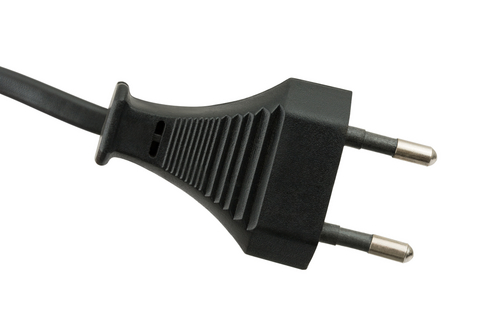
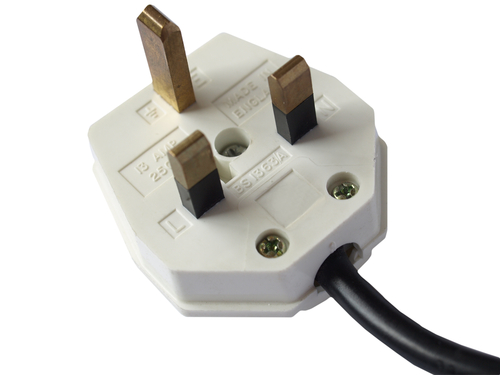
UK electric plug

Firstly to address the problem with Dave Ramsey’s single focus ‘Baby steps’:

Beans and Rice, Rice and Beans

Even with intense focus, paying off debt can take a long time. Would you feel comfortable only having £650 to your name while you paid off your debt?

For some being uncomfortable helps them focus on getting out of debt –perhaps by getting an extra job or cutting their lifestyle back, way back to “rice and beans, beans and rice”. However, I’d rather be in a position of financial strength with more emergency savings before tackling my debt. For me knowing I had pennies in the bank would help me focus on eliminate the debt. That said, this is mere speculation as I have never had consumer debt. If you have, I’d love to hear your thoughts on Dave’s approach.

Multi-Focus No No

Dave’s plan requires focusing on one goal at a time but personally I would find it disheartening not to be able to save for a few different goals simultaneously. For me beginning a savings fund for a medium term goal makes what I am saving towards closer to reality, helping me to focus my spending and saving better than if I were only saving for one thing at a time.

By diffusing my savings goals it does take longer to reach each goal but in most cases I’m happy to wait. The wait helps me to evaluate my larger scale purchases and also adds another hurdle to avoid lifestyle inflation. To give a real example, I could currently afford to buy a car when I eventually pass my driving test (don’t ask!) but this would mean I would empty my ‘house deposit’ fund. Psychologically this fund is important to me so I’d rather save up for a car separately than have to start my ‘house deposit fund’ from scratch, even though buying a house is at least 5 years away in my mind.

Waiting for Long term

The power of compounding returns is mind-blowing so I have reservations about any plan that puts off saving for the long-term. Whilst Dave is right to encourage people to get out of debt, I feel that not all debt is equal (particularly UK student loans) so with the exception of higher interest-rate debt, you should consider starting your long-term savings as soon as possible. Time goes by quickly and there will always be something stopping you from saving for the long-term if you don’t make the commitment to put some pennies away for your future.

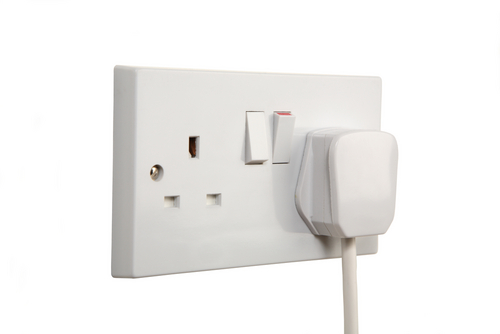
UK plug socket

The Magical Penny approach: Save Save Save

Ultimately when it comes to creating your own budget I encourage you to consider the Magical Penny 3 Pronged Approach of working towards short, medium and long-term goals at the same time.

It might seem like a lot of saving and it won’t always be easy but doing so can have a powerful effect on your life. Just be sure not to have too many sub-goals or you risk spreading your attention too thinly. If this happens and you find yourself feeling overwhelmed, lacking focus or simply becoming impatient, then perhaps a single focus approach is best for you! The main thing is that you have a plan –the surest way to be successful at growing your pennies, regardless of the time horizon.

What do you think works best?

Recommended Reading

5 Pracitical tips for Saving money. JD Roth, author of ‘Your Money, the Missing Manual’ and Get Rich Slowly touches on this very subject in a recent interview @Oreillyanswers

Not Personal finance related but I enjoyed reading about how to keep track of what you learn. Bottom line: Keep learning and refreshing your brain  @Freestylemind.

Have a great weekend and thanks for stopping by. If you haven’t already, be sure to sign up for the Magical Penny free newsletter, follow Magical Penny on Twitter and Facebook, or simply make my day by sending me an email!

{ 8 comments }

Keeping Focused: Saving for the Long Term

by Magical Penny on March 17, 2010

Focus is important when it comes to growing your pennies. In the first article on ‘Focus’ Magical Penny explored different strategies of paying off debt. In the second article the subject was on how to focus on medium term goals with a time frame of 1-5 years. We now move onto how to stay focused on longer term saving plans!

plant the seed of wealthFor most of us, just staying focused on things right in front of us is hard enough. The first challenge is to consistently spend less than your monthly expenses. Then you need to pay off costly debt and start saving for emergencies and opportunities and irregular expenses like a holiday every once in a while.  With all these different priorities it might seem impossible and even pointless to save for yet another goal: your long term future.

Maybe you find it hard to focus on it because it’s so undefined, or you think that you’ll never retire. But you should focus on planting the long term seeds of wealth: even if you’re in your 20s.

If not now then when?

The number one reason to focus on your long-term savings is because of the potential impact you can have by making progress today. It really is huge thanks to the magic of compound interest. There will always be things to save for and expenses to be paid but if you make a commitment to yourself today then you won’t wake up 40 years from now with nothing to show for your efforts.

There’s always something that makes demands on own finances in the present.
Perhaps it’s saving for or paying off a car, or saving for a house deposit or paying off a mortgage. And I’m sure my readers with children will confirm that raising them isn’t without cost. Do it now when your expenses are likely to be lower than at any other time in your life.

A small income shouldn’t stop you: You can still have a big impact because of time

By starting to save for long-term needs in our 20s we have the luxury of time. We also have a chance to work out the best ways to save our pennies and find what works for us. The impact that saving and investing over the long term was the primary motivation for founding Magical Penny. If everyone understood and appreciated the power of compounding returns I’m positive that more people would make an active decision to take control of their finances. At this stage, don’t worry about the specifics of how to save over the long term –that’s coming soon, but if you’re reading this, I really hope that you begin to make a commitment to save for the future now, before life gets any more complicated….and it will!

How to keep Focused -Visualisation

Medium-term saving, perhaps for a house or a car, can be hard but at least it is easy to visualise as the ‘destination’ is only 1 – 5 years away. Visualisation is a powerful tool to remain focused and you should use it when you can to reach your goals.

However, when it comes to long-term saving, visualisation is harder for some. But it’s worth thinking about as it will help if you decide what you want your life to look like in decades to come. Do you want a big house, an early retirement or a shiny sport-car? Maybe none of the above, but believe me you’ll want to have options. Even if your dreams are less grand, having a clear vision of what your life will be like in the future will help you plan to get there. If you do have a vision, write it down for reference. Having it down in black and white will cement your ideas and help you save for it month in, month out.

That said, I have a confession: I find it difficult to imagine what my life will be like in 5 years, let alone 40! I feel I have so many different paths I could go down. Maybe you feel the same? Don’t get decision paralysis and a lack of long term vision on the specifics stop you though: If you’re like me just remember that long term savings have huge potential to turn your pennies into significant sums if saved and invested properly. Even if you don’t have a good idea now, I’m sure you’ll be able to find something to spend your pennies on when the time comes. And you’ll appreciate that you have given yourself a head-start when you see an opportunity or more specific dreams begin to form in your mind.

Make it automatic

set it and forget itSurprisingly the best way to stay focused on long term savings is actually to not focus on it at all. Your motto should be ‘set it and forget it’. It really should be ‘set it, forget it and review it from time to time’ but that’s not quite as catchy is it?



Decide on a certain amount of your monthly budget and set up an automatic standing order into a savings account. In the coming weeks Magical Penny will also walk you through the process of setting up a direct debit for investing as well, putting your long-term plans on auto-pilot. But don’t worry about that for now: just get used to giving yourself a minor reduction in your income each month and channel the pennies destined for long-term savings away from your current account into a seperate savings account. Remember the first point though: don’t wait for a better time to begin, do it today (or next pay-day).

As a bonus remember this previous post and take advantage of any employee pension schemes (or 401ks in the US) to get extra pennies from your employer in the form of a company match: they really are the true magical pennies!

How does everyone else stay focused on long term goals?

Recommended Reading:

Carnival of Personal Finance – Tour of Ireland Edition

Magical Penny is editors pick this week for Are 0% interest Loans Really Free Money?

Financial-priorities: focus-vs-diffusion @BalanceJunkie

A great article on a similar theme to Magical Penny’s Focus Series:

“My personal preference is to choose focus over diffusion. I feel better when I can see significant progress on one goal rather than a little progress on many goals”

Why 20s somethings should open Roth IRAs @PersonalFinanceNinga

Best Rate for Roths @PT Money

Are you Young and American? You should definitely be reading why Roth IRAs are awesome.

UK readers -it’s worth a read too: Just  replace the word: Roth IRA with ‘Stock and Shares ISA‘ and think how lucky we are- we get all the tax benefits but are not limited to saving only for retirement! If all that went above your head don’t worry, Magical Penny will be moving onto ISAs shortly -just in time to embrace ISA season and the end of the tax year.

Exciting times.

{ 6 comments }

Dominate the Game of Life

by Magical Penny on March 10, 2010

dominate the game of lifePlaying a team sport like football, as I do with my friends each week, is about finding the right balance between offensive and defensive play. Yes, some teams manage to dominate the game by focusing their efforts on a strong offensive strategy, but in almost all teams there must be a basic level of defence to ensure that the game is won.

Similarly if you are serious about growing your pennies, you need two strategies: an offensive plan to earn and grow your income, and a defensive one to protect your earnings from every-day spending.

Be the striker

Playing a strong offensive game, by making a conscious and sustained effort to grow your income as Rightly Knightly advocates, is an obvious way to grow your pennies. It can be a daunting prospect for many but for those with ambition and drive, it certainly is within reach and can be a success strategy for financial success. If you put in place a plan to develop a good income you have the potential to both spend and save more. It will make budgeting easier too as there will be more pennies to go around.  Remember there’s only so much you can cut back or deprive yourself, but there’s not strictly a set limit to how much you can earn.

Increasing your income is the less talked-about side to personal finances but most people who have grown wealthy have not done so exclusively by making small chances to their lifestyle (like bringing their lunch from home into work each day for example). Rather, they have done so with strong career moves or through building successful businesses.

Like the football team with  top strikers delivering goal after goal to win the game, sometimes a good offence is the best defence.

But fortunes can change quickly

You may have a good offence  but having a great striker in the team is of little good if the opposition gets the ball and can run all the way through the field to score a goal, or your main striker breaks their metatarsal! Similarly, having a great income now  is of little real use if every last penny trickles out of your hands towards the end of every month, or worse, you lose your income for any reason.

Being young, most of us have high hopes for the future but there’s a lot of things out of our control and without a good defence, any success in the offence part of your strategy could be lost. In the same way that you can’t tell how good a goal-keeper is until a player shoots at the goal, you can only truly judge a financial strategy by how it holds up in a time of trouble or crisis. How would yours hold up?

Setting Up a Defence

Some might think its overly cautious to build up a savings account with thousands of pounds for no obvious purpose. Many find it hard to save for any purpose let-alone a ‘what if’ scenario! But doing so is one of the most important things you can do. Start today.

The best sports related marketing phrase to live your life by: “Just do it”

Start putting away something, anything. Make it separate from your goal off paying off debt; separate from saving to buy a house or a car. Doing so might seem strange and might make your other savings goals seem painfully far away. You might think it better to pay off debt or save for something more tangible.

Perhaps.

But having a separate ‘emergency’ fund is one of the best defensive plays you can make. In fact once it’s set up you can be even more aggressive in your offensive moves. A good defence strategy gives you options. It could give you the confidence to change the direction of your career or make you feel more comfortable taking on more risk when it comes to investing for a possible higher reward (more on investing on Magical Penny in the next few weeks and months).

Dominate the Game of Life

When it comes to the game of life in your 20s and 30s it’s less important whether you’re having a good game or currently down on your luck at the moment: It’s more important to have a vision of where you want to be. Have a think about your own strategy, look at your offensive and defensive plays and ask yourself if it’s working. Then start to put in place a new and improved strategy that works for you.

Remember, if you do this now it won’t matter so much if you’re currently winning or losing because the real winner is football your future self!

Disclaimers:

#1 Adam is not the best footballer in the world, nor even that good compared with most of his friends. But thankfully he’s a little better at being defensive with his spending so he can be can be confident and be on the offensive when it comes to growing his pennies over the long term. Are you?

#2 American readers: I’m talking about ‘soccer’ but I’m sure it applies to your ‘football’ too! I’m also aware of the confusion on the spelling of defence/defense -it’s all part of the fun of writing to an international audience! 🙂

Further Reading:

Magical Penny is thrilled to be featured in 3 blog carnivals this week:

Carnival of Personal Finance

Magical Penny is also talking to young people about a concept called consumption smoothing. Hmm…I think I get it.

Best of Money Carnival

Magical Penny presents The Treadmill that Does Not Get You Fit (financially) – a neat entry from a new blog I just came across – check it out!

Festival of Frugality with my post Lifestyle inflation -the silent killer of dreams

A huge thanks to all the Carnival editors this week for including Magical Penny posts from hundreds of submissions. These carnivals are a great way to learn about different elements of personal finance from lots of different persepectives so I strongly encourage everyone to have a good read!

{ 4 comments }

Are 0% interest Loans Really Free Money?

by Magical Penny on March 8, 2010

Welcome Carnival of Personal Finance – Tour of Ireland Edition readers. I’m thrilled that this post was selected as the top Editor’s Pick.

I’d love it if you would subscribe and follow Magical Penny on Twitter and Facebook


Free loan


There are many different types of loans: personal loans; payday loans; mortgages….they all have different interest rates -the cost of borrowing.

But wouldn’t it be amazing if all loans were set at 0% interest?

That’s right. ‘Free’ money.

It would mean that loans wouldn’t cost you anything. In fact with inflation the loan value would decrease in real terms because £1 of debt would soon be worth 90p, then 80p and so on.

Sound good? It’s certainly one of the benefits of student loans.

However in most cases a 0% interest rate is not amazing. It makes debt more tempting. And in the case of consumer debt, buying ‘stuff’, succumbing to that temptation, would make growing your pennies very hard.

I’m sure you’ll all seen 0% loans advertised on certain products to make them more tempting:

“Double discounts, 3 years interest free credit and nothing to pay for the first year”

So why not take advantage of free money?

Even though the cost of borrowing is free, you are still ‘consuming’ the product: using its value in exchange for the promise that you will pay for it in the future. For companies selling the product it makes sense to offer such financing deals because, even though you are not paying for the product in full, it encourages you to take action and buy the product when you might otherwise have not, allowing them to add your flow of money to their revenue stream.

Of course this doesn’t mean that you shouldn’t ‘consume’. Spending isn’t bad in itself. In fact, it’s great, and useful, and, to be blunt, essential. Rather I’m encouraging you to spend your money more consciously.

I want you to understand that buying things with debt, even 0% interest rate debt does interesting things to how you perceive the purchase: you may even feel smug that you have somehow got away with using someone else’s money for free; That it’s ok because the monthly payments are really low. But remember the obvious point: You still have spent the money: Pennies that you may not have; pennies that you may need to pay back if your income unexpectedly drops and you can’t afford any of the payments.


Be smart, don’t outsmart

In your 20s and 30s rather than ‘outsmarting’ the banks and finance companies by getting to enjoy spending ‘their’ money for free, you really should simply be saving more. Not because saving is fun by itself but because any money you channel into savings and investments has the potential to grow exponentially and have a massive impact in the future. If you have taken out loans, even 0% ones, the payment is going to be make saving more difficult as you now have more outgoings each month.

Should I pay off my student loans then?

For the purposes of this post, UK Student loan debt falls outside my demonization of debt, because it doesn’t have risk attached to it (if if you lose your income you are under no obligation to keep paying on your debt). As the only debt that I have, however, I can certainly attest to the way that even an interest-free student loan debt changes the way you feel about spending:

Spending a penny without the  pain, flushing money down the drain?

When I went to university I did what almost every student does, and opted for the maximum loan possible. I then spent almost the entirety of my student loan each semester on living in the best student accommodation available. It was great. My part-time job and summer jobs paid for my living expenses and my parents and a singing scholarship covered the tuition. I loved my comfortably sized room and the 24 hour security. I also met some great people, including very generous international students who allowed me to see some of the corners of the world for free

Although this spending was hardly wreckless, looking back the cost of living was much larger than it could have been.

cautionBecause the student loan would make it cost ‘nothing’ to access the money I never considered the option of taking less than the maximum amount of student loan. And because I had not worked for the money I could spend it without any feeling of pain. It wasn’t real to me. It was just a form that I could tick and money would appear in my account.

That’s the problem with 0% loans –It’s too easy to rationalise them, because they are free. But there are not really free if it allows you to buy something you wouldn’t have bought otherwise. Or it means that you then can’t afford to invest in the market, where over the long term gains of over 7% can be achieved.

By taking away the cost of carrying debt, a 0% interest rate might seem great at first but it takes away the financial incentive to be debt free, an important step if you are to keep your lifestyle down and make an impact with your savings goals: the goals that ultimately can define your future.


This is a Magical Penny post in the Debt series making sure that you understand the implications and to prepare you for investing. Don’t miss a post: sign up for free updates.


Further reading:

A cute story of compounding @Financial Tales

Lifestyle inflation @Four Pillars


Before you comment that if all loans were 0% you could leverage money in the markets I’d like to add a caveat that the 0% loans would only apply to consumer goods…Hey! My imaginary scenario, my rules! )

{ 7 comments }