Bad credit? What to do to fix your credit rating

by Magical Penny on April 25, 2017

In February 2017 it was reported that people in the UK owed an average of 1.524 trillion in unpaid debts. With a lot of this debt being too large to repay, it has caused people to go into debt and resulted in households going into the red zone when it comes to their credit scores. Although this can be quite a daunting experience, there are a few things you can do to ensure you get back into the green. Have a look at a these tips provided to assist with gaining a better credit rating.


thumbs up down smallCheck for mistakes

Checking for mistakes on your credit report may seem like the most obvious option, but a lot of the time this is something that many people don’t do as some people tend to accept that they owe a debt and give up. Even the smallest mistake could save you money, so it is worthwhile going over your report with a fine tooth comb and looking for any incorrect payment details, mistaken payment defaults or judgements (new and old), and any errors with your personal details. Errors with your personal details can have a huge impact on your credit report, particularly if you have been mistaken for someone else.

Debt Consolidation

Debt consolidation is one of the most popular ways to erase debt. By combining multiple debts into the one, you can lower your interest rates and pay just the one monthly repayment rather than multiple. There are multiple debt consolidation loans with no collateral for those with bad credit that assist in raising credit scores as well as helping with those unpaid debts that seem to be piling up. However, if you do find yourself in masses of debt it is important to look at your spending habits and consider what areas can be cut back.

Start maintaining good credit

One of the most important aspects of turning your credit score around is to start maintaining good credit with providers. The first step to doing this would be making sure you never spend more money than you earn on your credit card. By linking your earnings to your credit card you are paying off any spendings you may have occurred without letting your account go into negative and creating higher interest rates for yourself. Late payments towards utilities and credit providers only result in bad credit, therefore these should be avoided if possible. Taking out unnecessary credit only adds to those higher interest rates.

greedWatch your money

Watching your money and spending carefully can help you become more aware of where it is going and if there are any regular unnecessary costs that can be cut. Cutting unnecessary costs helps save money and allows you to become more responsible for where your money is going.


Although debt can feel like a burden, following these steps can fix your bad credit rating and turn it into a good credit rating whilst ensuring a financially secure future. There’s no point waiting for it to fix itself, because it won’t happen.


{ 0 comments }

Plan For The Future Before It’s Too Late

by Magical Penny on April 25, 2017

today is soon the past, the future is foreverWhen we’re young, we can often be quite relaxed about our financial situation. In the current climate, the younger generation is struggling to find well paid jobs, and borrowing is just becoming a part of their lives. This level of borrowing is usually seen as a temporary measure so we don’t tend to be too worried about it. Unfortunately, the years creep up on us and before you know it, you might be wanting to buy a house or start a family. If you aren’t careful, then you will find that all of those temporary debts become long term obstacles as you move into the next stages of your life. It doesn’t have to be that way, as long as you start planning before it’s too late. Looking to the future now will save you a lot of trouble a few years down the line.

Debt

Paying down your debts is the first step to putting yourself in a strong financial position. Student debts are one of the biggest financial hurdles that young people have to face. If you have been through higher education, then you are likely to have substantial loans that you need to pay back. You are unlikely to be able to pay these debts off quickly, but the repayments are fairly small to begin with so don’t worry about it too much. These debts won’t affect your credit score, and the bailiffs won’t be coming around to collect, so you need to focus on any other debts that you have first. Owing money to lots of different people can be overwhelming. Trying to organize a budget that takes various outgoings into account, can be tricky. Consolidating all of your debts into one monthly repayment can make it much more manageable, although check the costs involved – you may end up having to pay back more over time. 
Look at
reviews of the best debt consolidation programs near you, and find one that is most suited to your situation.


ImportantOnce you have consolidated your debts, you will only need to make one monthly repayment on all of them, rather than multiple payments to all of the various creditors that you have. The next step is to
start making a budget. Write down all of your outgoings, including your debt repayments, and compare them with your income. Any outgoings that aren’t entirely necessary should be wiped off. You can always start paying for these luxuries again once you are more stable. By creating a sensible budget, you can maximise the amount that you are taking off your debt each month, and get rid of it as soon as possible.

Savings


Now that you’ve wiped all of your debts, you can start again with a clean slate. All of the money that you were using to pay those debts off, is now going to be disposable income. Resist the urge to spend this on frivolous things, save it instead. The chances are, you were spending a big chunk of money every month on those debts. By putting in a good high interest savings account, you can easily build up a large amount of money very quickly. This cash can be put towards a deposit on your own house, or a new car.

At the moment, financial stability might seem completely out of reach. But with a bit of clever planning, it is achievable for anybody.  

{ 0 comments }

An Injury That Won’t Hurt Your Finances

by Magical Penny on April 21, 2017

healthcareNo one likes to think about getting injured. Yet, we can guarantee that it’ll happen at some point.

My biggest injury was breaking my foot in 2013 and it’s still have implications (some financial!) to this day.

Only the lucky among us can avoid injury for all time. The rest of us have to deal with an accident if it happens, and all the financial responsibility that comes with it. Though financial worries are never our first thought when we get hurt, they come a close second. Of course, with the NHS hanging in there, those of us in the UK are in a better position than many countries. There’s no denying that an injury won’t set us back anywhere near as much as it would somewhere like America. But, injury can still cause some major financial setbacks. We’re going to take a look at what they are, and what you can do to lessen the blow.

The Financial Impact Of Injury

When considering financial injury implications, it’s first worth mentioning time off work. You probably won’t be able to keep working when you’re hurt. While most employers pay sick pay, that doesn’t last forever. After six months, most companies lessen the rate. If you’re off for longer than that, they may stop it altogether. And, they’d be within their rights to. They can’t keep paying you forever! And, if you’re self-employed, you won’t even have that six-month privilege. When you work for yourself, not working means not making money. It’s as simple as that.  That was the case when I broke my foot. And I was thankful to have savings and a supportive girlfriend to help me through those difficult months.

Do you have savings you could use if you needed to? If not, let this be a warning and inspiration to start putting something away.

It’s also important to note that even in the UK with the NHS we still have to pay for prescriptions. You can see a breakdown of prescription charges on sites like http://www.nhs.uk. These charges may seem like small fry. But, an injury which requires ongoing medication could soon take its toll. And, that may not be the only cost you pay towards your recovery. The NHS offer initial care, but you may have to pay if you want ongoing treatment that isn’t deemed crucial. Physiotherapy is one such problem. The NHS will offer the service for so long, then refer you to much more expensive options.

How To Lessen The Blow

The easiest way to lessen this blow, if applicable to your situation is to make a personal injury claim with a solicitor like the one found on http://www.nowinnofeeireland.net/. For the most part, where there’s blame, there’s a claim. When I broke my foot it was my own fault but in the case of many injuries, there is blame to assign.

Many of us don’t like to think of this an option, but it’s a step worth taking when you consider how much your injury has cost you. Getting money back from a claim will ensure you aren’t left out of pocket as well as health. If you want to go down this route, it’s worth keeping note of everything. Keep any receipts or letters from work. If you can prove that your injury has cost you, you stand a better chance of seeing a return. life insurance

It’s also worth noting that health insurance can help.

Of course, it’s too late to take this step after your injury. But, signing up to a good plan will ensure you don’t find yourself in the same position in the future! Some health insurances give you a few thousand for any broken bone, with the specific rate varying from provider to provider and depending on what bone you break.


{ 0 comments }

Bouncing Back from Money Troubles

by Magical Penny on April 21, 2017

saving in a pension isn't scaryThere are few things more stressful and soul-destroying in life than getting too deeply into debt.

When you are struggling to make payments on time, and you have the threat of debt collectors turning up at your door, life can feel very bleak indeed, but, the good news is, that even the worst debt problems can be resolved if you take your head out of the sand and start to do something about them.

Here’s how:

Cut Your Outgoings

If you have money troubles, the very first thing that you should do is monitor your income and outgoings for at least once a month, so that you can highlight where any of your cash is being wasted. This will enable you to cut your outgoings to better meet the cost of your debts.

Calife insurancell Your Creditors

Instead of ignoring the problem, hoping that it will go away, take the bull by the horns and get in touch with your creditors. If you explain your current situation and let them know that your intention is to pay them back, even if it might take longer than expected, it is highly likely that they will work out a deal with you, whereby you can pay them back at a reduced rate Sometimes, they might even freeze any interest you are accruing which will make matters much easier.

Consolidate Your Debts

If you have so many debts that it’s difficult to keep on top of them and the monthly payments are crippling you, it may be worth talking to a debt consolidation company who will transform all of your debts into one debt with a single monthly repayment. This is one of the best options for credit repair, and in most cases, it will make paying back your debts and recovering from your money issues much more simple. Do note however that it may mean increasing the amount of debt you have – make sure you fix the situation that got you into debt in the first place to avoid running up more debt after you’ve consolidated.

timeMake Payments on Time

Whether it’s your electricity bill, Council Tax or credit card repayments, you need to make every effort to pay them on time. If you don’t, your credit score will take a massive hit, and you will be unable to access quality sources of affordable credit in the future.

Check Your Credit Report

Speaking of credit scores, once you’ve gotten back on track and you’re starting to make progress with your debts, you might want to take some time to check your credit report. This will show you where you are now and what you need to do to improve your score for the future. There are several methods of accessing your credit report for free, so you have nothing to lose by at least taking a peak.

Practice Good Money Habits

Once you have things under control, the best thing you can do is ensure that your incomings are more than your outgoings, start paying into an emergency fund and think very carefully before taking on any more debt. By living your financial life more carefully, you’re much less likely to fall into problems again.

Doing all of the above should help you to fight your way out of debt, but if you’re still struggling, it is never a bad idea to get in touch with either a debt management charity or financial adviser, who might be able to help. There is always a way out of your situation, and often the easiest and quickest way is to increase your income if you can.

Good luck finding your solution – a better life is ahead of you.

More debt articles are here.

{ 0 comments }

The Top Investments That Aren’t Stocks And Shares

by Magical Penny on April 20, 2017

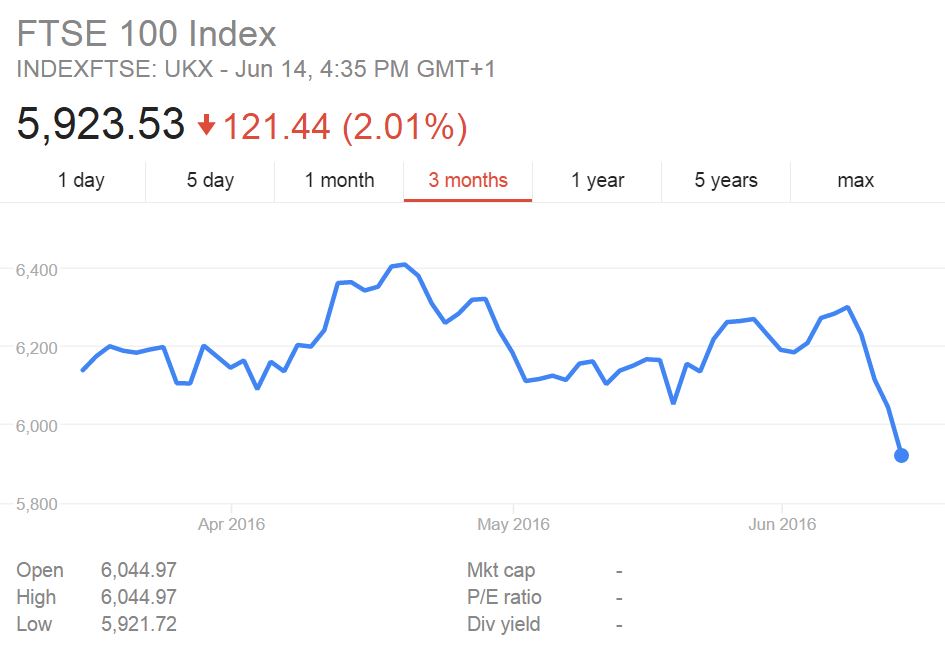
ftse100Think of investing, and one of the first things to come to mind will probably be the stock market.

Trading in the stock market is a career for some people and a mere hobby for others, but it is a popular choice for many people who are looking to invest their hard-earned cash. We are all aware of the hectic nature of the stock market thanks to movies like The Wolf Of Wall Street – and while, of course, this is an exaggeration of sorts, there is still no denying that trading in stocks and shares can be competitive, stressful and extremely fast-paced. For some of us, this is precisely what attracts us to trading, and we thrive in this demanding environment. But it’s also safe to say that this type of work isn’t for everyone. If the idea of trading a deal under pressure terrifies you, you may be better off looking into other, less crazy ways to invest your cash. Here are just a few options.

financial newsTrading CFDs

Still want to be involved in the stock market in some way but don’t fancy actually buying a physical share or asset? In that case, trading a contract for difference (a CFD) could be perfect for you.

So, what exactly IS a CFD? In layman’s terms, it is a contract between you and a broker that allows you to capitalise when the underlying asset moves about the position taken. Before you jump in headfirst, however, it can be worth familiarising yourself with some cfd trading tips. The key difference between trading a CFD and trading on the stock market in the traditional way is that you never own the asset, which leaves you more freedom when trading (as you don’t have to put up the full value of the shares you are trading). There’s also a risk that you could lose more money than you initially invested so it’s really an advanced trading strategy that needs to be fully understood before putting money on the line.

Opportunity fundGold

We so rarely come across real, solid gold in our lives that for many of us, it seems like something that only really exists in movies or on television. However, gold is still a relevant and valuable asset today just as it was many centuries ago. It is commonly used as an asset to cover any shortfalls that may occur in other asset classes, such as the stock market. It can also come in useful in the event of a decline in the value of currency, where it protects against the resulting inflation. Many investors purchased gold during the financial crash of 2008, using it as a safeguarding means.


Real estate

Even if you don’t buy property with the intention of making an investment, you have inadvertently made one whenever you becoremortgage house loanme a homeowner. This is why it can be something to look into regarding investing, especially if you enjoy being involved in the property market. Of course, being a landlord doesn’t come easy, and you will need to be prepared to put a certain amount of time and effort into your role. Think carefully about the kind of property you want to invest in – do you see an apartment, a family home or commercial property being the most viable for you? You may also want to invest with like-minded individuals, especially if you are relatively new to real estate, as they can help to guide you along.

And Finally…

This article has been about alternatives to stocks and shares investing, but there are ways to invest in stocks and shares that do not rely on high pressure trading. By investing in a simple index fund or managed fund you can take advantage of the overall growth in value over time without needing to worry about the right time to buy and sell in the short term.

For more information on investing read other investing articles here on Magical Penny.

{ 0 comments }

Many people who want to invest their money and get richer turn to the property market. Perhaps this is not surprising because it continues to do well and prices are still rising. stamp duty change 2016

However, you do need to think about how you’re going to make money, rather than just assuming it’ll happen by itself. You have to have certain things in place to help you make it happen. Read on to find out what these things are.

  1. A Long-Term Attitude

Investing in property is not the kind of investment strategy that is going to make you rich overnight. That’s just not how it works. To stop yourself taking that kind of mindset, you need to force yourself to take a long-term kind of approach. If you are investing in homes, renting them out and then selling them at some point in the distant future, you will not make a profit for a long time yet. Accept and embrace this fact. And if you really need fast returns, perhaps another form of investing would be better for you and your particular aims.


  1. Knowledge of the Property Market

Secondly, you’re going to need a pretty in-depth understanding and knowledge of the property market. If you can get to the point at which you know all about what’s happening on the market, you will be able to make decisions that are informed. That can only be a good thing because it will make you far more likely to make money in the long-term. They say that knowledge is power, and nowhere is this more true than on the property market. There is no replacement for knowing what you’re talking about and knowing where and when to invest.

  1. A Reliable Lawyer

Having a reliable lawyer by your side will help you a lot when you are building your property investment portfolio. You need to make sure that you do things by the book and don’t inadvertently get tripped up by a legal loophole. This can happen when you’re investing in property. And the purchasing and selling processes will certainly be sped up by having a good lawyer. Pearce Webster Dugdales lawyers might be able to help you. Find a lawyer you like and then stick with them. That way, the relationships will cement over time and trust will be greater.

  1. An Eye for a Bargain

Finally, you will need to have a decent eye for a bargain. If you keep buying properties that are not particularly good prospects in terms of their value growth potential, you will not make much money. You need to know how to spot a home that has potential, or that is potentially undervalued at its current market rate. That way, by buying it and holding onto it, the price of it will increase over time. This is something that you will get better at the longer you invest. However, reading guides and learning from people who have been there and done it all before can also help.

Read more property-related articles here on Magical Penny

{ 0 comments }

The Hassle-Free Real Estate Investment Has Landed

by Magical Penny on April 20, 2017


When you think about investing in real estate, what do you think about?

Go on.

mortgageClose your eyes for a second and think about it.

Chances are, you are imagining a structure of some sort, a commercial property, a home that needs fixing up or a residential rental property with the chance to break it into apartments. But what you should be thinking about is land, vacant land.

Sure, it probably doesn’t have the sex-appeal of a beach-side apartment or a second home earning you a bit of rental income; but what it does have is huge potential for cash flow. But to help sway your decision a touch more, here are some of the top reasons you should be investing in land.

There Is Nothing To It

The greatest thing about investing in vacant land is that it is vacant land; there is nothing to renovate, fix, replace or repair, and there is nothing that you have to worry about being stolen. It is just vacant land. What’s more, you don’t need to have any knowledge of construction run the risk of getting ripped off by a contractor because, well, you’re not going to build on it. All you need to know is if the land is suitable for someone to build on it. If it is, then hot-diggity, you’re already winning.


It Is The Least Demanding Investment

There is absolutely no hassle to concern yourself with or be concerned with. No calls on a rainy Saturday night to say the roof is leaking, no need to chase up your tenants for rent and no need to pay a letting agent to maintain anything. No, buying vacant land real estate is as easy as it comes. It just sits there, quietly, and that’s about it. It could be on the other side of the world, it could be nearby, or anywhere, and it won’t need any looking after.

Who Likes Competition Anyway?

Yeah, that’s right. The benefits of investing in land have long slipped under the radar. The advantages just aren’t as clearly laid out as they are in residential investing and for that reason there is much – and we mean much – less competition to face off against. No bidding wars, no competing over the same deals, no worrying about whether you’re being low-balled or out hustled. Vacant land is much quieter in every sense of the word, and that means you can often get better deals and land some land below market value. Of course there is the added risk of it being potentially harder to sell at the end…

Ba-Bye Banks

Let’s be honest here, who on earth likes dealing with a bank when it comes to anything. No one, exactly. That’s where investing in land is even more attractive because it can be so wonderfully inexpensive (or great value we should say) that, more often than not, you don’t need to deal with a bank. Prices can be as low as the thousands instead of hundreds of thousands, and a lot of the time that just means dipping into your pocket or your savings.

window shoppingVacant Doesn’t Mean Penniless

Vacant land still has the ability to drive a good price on rent, which means you have the option to rent all or part of your land while you sit on it. There are a ton of common ways that landowners make a rental income out of their vacant land, from allowing communications companies to install an aerial mast on their land, to allowing energy companies to install solar panels or wind turbines. You could even allow a local farmer to use your plot as grazing grounds for their herd. The rent is there, but the choice is yours.

As with all investments, there are pros and cons and you need to understand what you’re investing in before moving forward. For other investing ideas browse the investing category here on Magical Penny


{ 0 comments }

Renovations Without Breaking The Budget

by Magical Penny on April 19, 2017

house questionAre you still paying off your mortgage and unable to afford those much needed renovations?

Renovations can be an expense that can get shoved to the side and often forgotten about. It can often become a burden having to move somewhere else when building is taking place, and the rising cost of renovating is only a deterrent to hopeful house owners. What if there was a way to renovate without having borrow more off your mortgage?

Renovations don’t have to be a burden on your time or your pocket with these simple renovations. Before going ahead with all your upgrades, ensure they are in line with local building regulations. Saving money doesn’t mean the job has to be done in haste, so ensure you check out some of the ways to renovate without burning a hole in your pocket.

Front Door

The front door is one of the first features visitors will see when arriving at your home. Too often, run down doors can make your home look shabby. A touch of paint can do wonders to the entry of your home, but have you ever thought about actually replacing the door completely? For anywhere between £100 to £1000 you can choose from a variety colours and styles to compliment your home effectively whilst securing your property with a new door. Source

Walls

Tiles can often become shabby, cracked and worn over time. Some people dislike their bathroom or kitchen tiles from the day they inhabit their house. There’s no denying having the right look in the kitchen can make cooking dinner that much easier. Ikea aims to make renovations simple, by providing wall panels from as low as £25. Don’t have tiles? Try a splash of paint to spruce up the bedroom or living space.

waterShower

There is only one thing worse than a shower where the warm water only covers half your body, and that’s running out of hot water half way through washing your hair. These two things can easily be prevented. A hot water system can easily be replaced for under £1000 by most local plumbers. Still worried about the lack of cover in the shower? New shower heads can be picked up from most hardware stores and are quite easy to replace on your own.

Shelving

Are you running out of storage space and sick of plastic storage boxes taking up all that extra space under the bed? DIY shelving is easy to do, and adds an extra design element to your home. Adding alcove shelving is easy with the purchase of the right timber, screws and brackets to hold them into place. Not only is it a stylish addition to your home, it is also the answer to all those storage issues. Source

Upgrading the quality of your home no longer needs to be a dream, but rather a reality. These tips will help in successfully bringing the cost down of renovations while carrying out the building works of your dreams.   Have a look at some of the ways to spruce up your house without breaking the budget.

For more Property-related posts, click the Property category here on Magical Penny


{ 0 comments }

The Essential Steps In Preparing Your Financial Future

by Magical Penny on April 19, 2017


While life expectancy is on the rise, the result is that our retirements are also getting longer.

We now expect people to live upwards of 10, if not 20 years into retirement, and that’s no small fry. With cost of living at an all-time high, the costs of retirement have also boomed. That means that more older adults are now on the breadline because they’ve not been able to go into retirement with the financial security that they needed or deserved. So, whether you’re 20, 40, or 60, there is no time like to present to start planning for your retirement.

retirementPay into a good scheme

In your adult life, it’s wise to pay into a pension scheme. You might work for a government organisation which pays and contributes significant amounts towards your pension. However, if you work for a private firm, it is not yet mandatory for some companies to make contributions, although this is something which is changing across the country this year with auto-enrolment. Many people choose to pay a proportion of their earnings into a private pension, which, in essence, acts as a long-term savings account which also benefits from tax relief. Finding a pension that works for you, if it is not available through your employer or you’re self-employed, is the first step towards ensuring your security in old age.

Build up cash reserves

Not only will you want your pension to draw on, but a bit of cash in the bank for emergencies. While this might come in handy as you age, especially if you need to take time off work on a partial salary for illness or the like, it’s especially useful to offer you a comfort blanket once you get to the age of retirement. When you retire, it is usual that your income is significantly less than throughout your adult life. While this is ordinarily fine due to reduced costs and governmental support, there are still times that a chunk of money could come in handy. Require a new roof, a new car, or just fancy a once in a lifetime world trip? You’ll be grateful for those savings! It doesn’t have to be thousands of pounds – just whatever you can afford throughout your adult life.

investingGet your head around investments

For many people heading into older adulthood and retirement, there is a sense of security in knowing you have a few, well-placed investments and shares which will pay small amounts. A cash ISA is a good start for cash savings as they are relatively secure and benefit from tax relief, but a Stocks and Shares ISA is most likely better for more long term savings. If you do choose to invest in equities through a Stocks and Shares ISA you should expect some up and down fluctuations and ensure you invest a mixture of funds for diversity, rather than relying on just a few companies or sectors.


Understand your mortgage

It is often advised that people who are taking out a mortgage should aim to have it paid off in full by the time they hit 65 years old, the common retirement age. This is because owning a property outright can offer great financial security and a sense of belonging to older adults. However, it is becoming more often the case that people can take out mortgages which will last well into their 70s, if not 80s, if they can prove to their mortgage lender that they’ll be able to keep up with the repayments. How you choose to do it is entirely up to you and your family, but there is a lot to be said about paying off your mortgage before you’re 65. The key part here is to know what you’re getting yourself into. As long as you’re happy and confident paying off your mortgage, either in full or as interest only repayments after retirement, there are no issues. Some people even choose to remortgage their house on the brink of retirement in order to help it work better with their new cash flow situation.

Cut debt

Going into retirement with debt can be seriously bad news. According to thisismoney.co.uk, nearly a third of all retirees are still paying off loans, credit cards, and mortgages. These debts equal money which retirees are unable to spend on themselves – on food, housing, or quality of life. On the lead up to retirement, or even as an adult in your 30s or 40s, you owe it to yourself to deal with any debt head-on. These debts aren’t just going to disappear once retirement hits, after all. If you’re struggling with debt, and especially if you’re worried about how it will affect you in later life, speak to an advisor about consolidation and repayment, and secure your financial future.

Find an independent financial adviser

As you start to near your retirement, you’ll have quite a lot of assets to organise, and money in all sorts of places. At this point, it’s great to seek professional help. This help can enable you to streamline everything, consolidate pensions, and they’re especially important to speak to if you plan on signing up for an annuity. An annuity essential means you hand over your pension to an annuity provider, and they’ll give you regular monthly payments for the rest of your life. There is also an increased popularity for ‘drawing down’ your pension, which allow the owner greater flexibility and control over their own finances, but this is more complex than an annuity and requires careful planning. That said, it’s usually the most appropriate option and if properly considered and managed can really pay off long term. This isn’t without risk, so it should only be a decision undertaken with the help of an independent financial adviser.

Make retirement plans

Before you retire, it’s obviously a good idea to have plans in mind for both your budget and your lifestyle after your retirement. For example, do you plan on downsizing to a smaller home? Do you ultimately want to end up in sheltered accommodation, a care home, or with a nurse visiting you in your own home? Ensuring all of these desires are written down and discussed with family members can help to put your mind at ease that, as you start getting older, your life and wishes will still be respected. It can also really help to write a retirement budget. Predictions of your income
and outgoings and how they compare can really help you to make decisions based on your pension and your lifestyle.

retirementMake post-retirement plans

Obviously, retirement can’t last forever, and there are some costs which need covering after you pass too. While these costs usually fall to the immediate family, many people prefer to leave money in their will or take out life insurance to cover these costs. Finding a life insurance plan, especially once you’ve reached retirement, can be slightly more difficult, although not impossible. The people at Lifeinsuranceforseniorsover80.com are full of great advice for finding life insurance at this point. It’s also essential to ensure your will is updated, especially as your financial position changes into your retirement. This will can also specify funeral arrangements, and leave money to the proceedings. You will also want to choose the Executor of your will. This person will be in charge of dealing with taxation and distribution of assets. Many people choose to go with a close family member or friend who they believe will act in their best interests throughout the process.

Preparing for retirement isn’t just as easy as paying into a pension plan from the age of 30. There are all sorts of living costs, end of life plans, and debts to pay off. Many people find it best to speak to a financial adviser as they reach retirement age to ensure everything is in place to go off without a hitch, and to put their mind at ease.

 

{ 0 comments }

Making Monetary Amends

by Magical Penny on April 13, 2017

today is soon the past, the future is foreverIt’s no secret that money is in bad shape for most of the world.

Countries have had bailouts from other nations in recent times. And, even national banks are struggling. But, the true difficulties are felt by th
e people. They money that big companies and governments move around is vast. Most people don’t have these resources. And, the consequences can be much worse for an individual without money. When life gets hard and difficult things are thrown at you; it’s easy to give up and simply accept the life you have. But, making amends in the face of financial disaster doesn’t have to be as hard as you think. To help you out, this post will be going through some ways to recover from issues with money.


Recovering from bad credit

It’s easy to slip into bad credit and debt. A lot of people end up in this position through circumstances that they don’t feel they can control. But, the only person with true power over your money is you. And, acknowledging this will help with the first stage; saving and budgeting. These areas are not only important to people with bad credit but also critical for anyone who want to live a financially stable life. When you start your budget, you should be aiming to spend as little money as possible. This will mean that you should only buy the absolute essentials in life. And, for the more expensive essentials; you should look for cheaper options. This will give you the ability to start saving and making the most of what you have.

The Budget Will Set your Free

Along with saving some money, budgeting will also give you the chance to start paying off some debt. Balancing the amount you should save and the amount you should pay back is hard. But, a lot of the time, the bank will take this out of your hands, anyway. Most people don’t plan the way that they want to pay back their money. But, this will make it hard to know when it’s time to consolidate your loans into one bigger one. Moving your loans like this can lower the rates that you have to pay back. And, it will make it possible to spread the loan over a longer period; freeing up some of your money. For those with bad credit, you can find out more at Cigno Loans. Companies like this offer loans for people who have had money trouble in the past. For some, this could be the only way to get some help.

As you start to make these changes, you will notice the freeing effects after just a few weeks.

ImportantYour bank will start to fill up.

And, the debt will disappear.

Of course, depending on your situation, it could be many years before you’re completely free. So, it’s important to do things that keep your driven in this area. Building up the drive to do something like this will almost always be hard, though. But, it can be achieved through some simple assessment. You should always be aware of the balances of your bank and debts. This knowledge will be a great driving force to help you to keep on the right track.


Recovering from bankruptcy

Bankruptcy is a lot more serious than debt and bad credit. Finding yourself bankrupt means that you have no money at all; and, no means to find help. Usually, this will be because you can’t take any more loans. Or, because your debt is far too large to recover from. Thankfully, recovering from something like this doesn’t have to be hard. Much like recovering from bad credit, you have to start with some serious saving here. But, this will be more than just making things right. You will need to teach yourself new habits. And, you’ll have to avoid spending at every turn. The will probably be setbacks along the way. Unexpected bills and big repayments can make things hard. But, at this stage, you will have the power to overcome these issues with renewed vigor.

Now, you will be well on your way to your new way of life.

Money will be a keen focus of your daily existence.

But, it won’t be stress that overwhelms your feelings. Instead, you will be feeling confident. And, the thoughts you have about money will be more structured and controlled. To make this into your new way of life, you have to embrace the need to save money. A lot of people find it easy to disconnect themselves from the reality of their debts and other issues. But, in most cases, this will only lead to difficulty. Be aware of the money that you spend and earn, without letting worry take over.

preparing the roadStaying on the right track

Once you’ve gotten to a comfortable stage with your money, you’ll be feeling much more at ease. At this point, you will hopefully have your debt under control and will be paying it off without difficulty. Long with this, you should be saving all of the money you can. This money doesn’t just have to sit around, though. Instead, you can start making some more off of it. Investing your money is the next step in taking full control. To start with, you should be splitting your money up and putting it into small investments with high-return and risk factors. When investments fail, you should invest double what you put into it. But, this time, into one that has proven to be successful. After some time, you’ll find that you have a great deal of money being made. And, this will mean that you’re ready to move on to investments with less risk. Now, you’ll be putting all of your money into one pot.

Hopefully, this will help you when times get really tough. Figuring out what needs to be done if you find yourself in this sort of dilemma can be very hard. Most people will panic and make bad decisions.

But, it’s best to be cool, calm, and collected.

{ 0 comments }