 The over-riding reason why I started Magical Penny was to evangelise the power of compounding returns. In more simple terms it was to tell people that if they save a little now, then over time they have a chance to end up with a lot. And the increase that can occur over time when a good annual rate of return is achieved is more than you would imagine.
The idea of saving today to leave you with a lump sum for your ‘golden years’ certainly isn’t original. It’s fundamental message of traditional retirement planning strategies.
*Yawn*.
Don’t worry. There’s another strategy to make sure you live a full life without having to save so much in your 20s and 30s and still have enough when you stop working. You’re probably already doing it to some extent to allow you to get the things you want and need today when you can’t afford them. What is this wonder strategy? It’s called consumption smoothing.
Saving Rules OK
Regular readers will know I’m a big fan of saving money to buy things with cash. Not only is it less risky but I don’t think people give much thought to the financial cost of how much buying things on credit can be.
When it comes to buying bigger things like a house, however, not even I am willing to wait until I can pay cash for it! Sometimes debt is worth the price because, as Sean reminds us, the opportunity cost of waiting can be too high.
 A place to call home
In the case of mortgage debt, it’s often a win-win for both the borrower and the lender. The borrower gets to enjoy their own house, as it provides a form of stability in their life and gives the owner the comfort of being able to paint the walls any colour they want. The lender is also happy because they can be confident that they won’t lose their money because the house is ‘secured’ against the debt –if you can’t pay the mortgage, the lender gets the house. It is therefore a lower risk for the lender- the reason that mortgage debt interest rates, the cost of borrowing, are so low compared with other debts. There are also many Join the Facebook group that make buying a house easy.
Consumption smoothing the practical way
Taking out a mortgage is a simple example of consumption smoothing in practice because rather than making one huge payment to buy a house at the start, you can pay for it gradually over time. Not only are your payments smooth, but your lifestyle level is smoothed too as you get to enjoy living in your house for the whole time of your mortgage. I’m sure you’ll agree that this is much better than living on the streets for 20 years as you save up to buy a house before moving into a mansion once you’re reached middle age.
 ‘Consuming’ Education
Other forms of debt allow you to take advantage of consumption smoothing too. Student loans for example, allow you to attend university at a time in your life when you most likely don’t have any money at all. You get to ‘consume’ a university education without paying for it until after graduation. Students do this (or should do this) because they have the expectation that the degree will help them pay back the loan and achieve a higher income (although as Andy reminds us it is not always true). Like in the mortgage example, consumption smoothing through debt has the potential to be a great strategy for students because of the opportunity cost of missing out on years of graduate earning potential if they were forced to save to pay for tuition out-right.
So consumption smoothing is testament to how the use of debt can be helpful. However, should consumption smoothing be taken to the next level?
Living the Perfect Consumption Smoothing Lifestyle
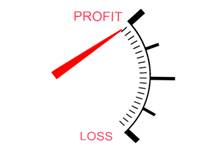 If you’re ambitious, student loans are just the start. Why not really take advantage of consumption smoothing? On the assumption that you’re going to be earning much more in the future than you do now, you could take out all manner of loans: perhaps car loans, home improvement loans or even just maxing out your credit cards. By doing so you can raise your consumption, and therefore your lifestyle, above your current earning level.
Next, the plan would be to increase your income until you reach a point when your income and expenses are equal. At this point, if you are following the consumption smoothing strategy correctly, you would continue to attempt to increase your income but any raises achieved should be channelled into paying off your debts. Over time your debts are gradually paid off as, despite an increasing income, your lifestyle and consumption levels have been kept at the same level. By the end of your career you are earning much more than your ‘smoothed out spending plan’ allowing you to accumulate funds for your retirement. The extra funds saved then help you maintain your lifestyle when you income drops at retirement.
Sounds too good to be true?
In principle this plan is brilliant as it allows you to consume more when you’re young when you’re not making much, safe in the knowledge that your future self can easily afford to foot the bill. Why live like a pauper then a king when you can simply live comfortably all your life?
Are you up for it? Try this simple test
I encourage you to try out extreme consumption smoothing if you can pass the following test. Walk through the steps outlined below and if you get to the top of the 3 steps then you have my blessing to live the consumption smoothing dream!
Step 1
Are you disciplined with your spending? Some people might find it hard to spend lots of money when they are young. After all, there are not many things to buy are there? 😉 Could you manage it? If you think you could struggle through spending lots of money when you’re young, move on to the next step.
Step 2
Congratulations, you’re one of the rare people that like spending money! Let’s try to get you to the next step. It’s quite easy. All you have to do is promise me that you’re sure that you’ll never lose your job and you will never be without an ever-increasing income. I’m only asking because one day you’ll need pay back the expensive debt that you would have got yourself in in step one, buying those new cars perhaps, or going on those expensive holidays. If you are sure that you’re a value-creating machine and nothing will go wrong in your life, then go ahead, move up to step 3. You deserve it.
Step 3
Wow, you’re awesome! With an indestructible career that’s always on the up and up you deserve great things. Now you have to promise me that you’ll continue working hard to increase your income even more, but that you will also keep your spending at the same level that you’ve had since you started this journey. Doesn’t sound so good? Well, get used to it because you’ve come this far and you can’t go back. Keep working hard and pay off that debt otherwise it will keep growing with interest and fees. And when you’re done cleaning up that mess, you have retirement to save for too!
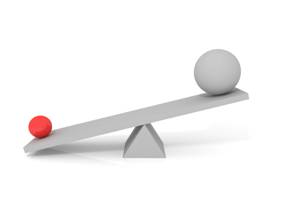 What do you think of consumption spending now?
Although it can be really helpful for student loans and houses (traditionally known as ‘good debt’) it soon becomes hard-work when other expenses come into play. Like many things, it’s a question of balance or rather in this case, unbalance. By saving a lot more in your 20s (and if everything goes well) you can always be increasing your consumption and lifestyle.
The only way is up!
Also, you would be in a much better position if and when thing in your life don’t go to plan too.
Making the commitment to build solid finances today might not seem as fun as the ‘consumption smoothers’ at first but I think it’s worth being a little less comfortable in your 20s. If not now, then when?. Over time you’ll catch up with those ‘consumption smoothers’, and your ascent to wealth will be made easier still through the power of compounding returns. How about you?
We are nearing the conclusion of Magical Penny’s foundational series on Debt. You can find other articles in the series here.
There’s been some exciting things happening behind the scenes here at Magical Penny. Twitter feed and read the Twitter feed to get in on all the action. Also don’t forget to sign up for the newsletter which is launching shortly. If you have already subscribed to the email post updates you don’t have to worry as you’ll automatically receive the newsletter when it launches.
Have a great weekend everyone.
{ 6 comments }
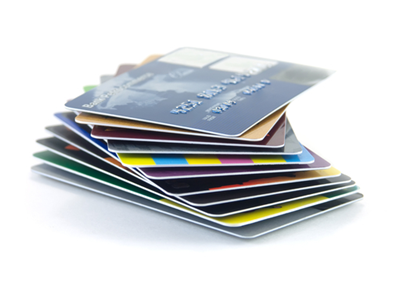 Credit cards, in some ways, remove us from our spending, making saving potentially more difficult. Using a credit card means that we don’t have to actually pay for our purchases straight away. A credit card allows you to pay just a small amount each month to ‘smooth’ out the cost. Whilst they can be useful tools for some, for many they act as the gateway to bigger financial problems. Certainly credit card debt is one of the most common forms of debt for most of us.
 Credit cards are primarily marketed to consumers by highlighting the ‘perks’: the incentives for taking out and using a particular credit card: ‘air-miles’ , ‘points’ or ‘cash-back’ are the most common. However when you’re searching for credit cards most personal finance information online is very US-centric. In the US it seems that credit cards play a much bigger role in the ‘culture’. The ‘perks’ are better too:
 The flexibility of being able to buy things before you have the money is helpful for many people and it’s this flexibility that makes credit cards so popular for most people. However it’s dangerous way to live.You can never be sure of tomorrow and you may find yourself in a situation where you’ve bought more than you can afford.
 One legitimate and positive reason for using a credit card in the UK is to take advantage of the Consumer Credit Act, which protects you from defects and problems with the item or service you buy. The act makes the credit card company equally liable along with company you bought the item from. Crucially this is only applicable on items over £100.
 Building a credit score is often cited as an important reason to use a credit card. If you do a couple of minutes of searching online you’ll quickly come across everyone talking about FICO scores. UK readers need not worry. This is a type of American credit score that is used near universally: for mortgages, car loans, even if you’re wanting to rent an apartment or start a new job!



 Having a car can provide great personal freedom and for many, getting your own set of wheels is a ‘coming of age’ moment: You no longer need to rely on public transport or lifts from family or friends. However it can also be a financial burden and a commitment that stops you from being able to
  Pay It Off ASAP
 Further reading:
 We’re coming to the end of the first stage of the foundational articles here at Magical Penny. The aim was make you face up to where you are financially and to prompt you to develop a plan with your pennies before you make any other moves.



 You may need to curb your spending to follow your
 Finances can be a taboo subject: it is deeply personal and spending habits are hard to change. When you begin making progress on your goals it will be easy to become enthusiastic and encourage others to follow suit. In fact, this is one of my major motivators for writing here at Magical Penny!

 Sunday 21st December 2008