Investing should normally be boring.

Boring is good, because often-times, the most important part of long-term investing is TIME in the market.

You have to ignore the every-day ups and downs and not allow yourself to be distracted. There’s a risk if you’re always watching the markets that you’ll want to tinker and change your investments all the time. And depending on the investment, each change can cost you money in trading costs as well as the risk of losing money or losing potential future growth.

So when I received an update from my The House Crowd investment it felt unusual because I had a big smile spread across my face. My investment in The House Crowd feels very different to my usual investment. Because it doesn’t feel as abstract as other investments.

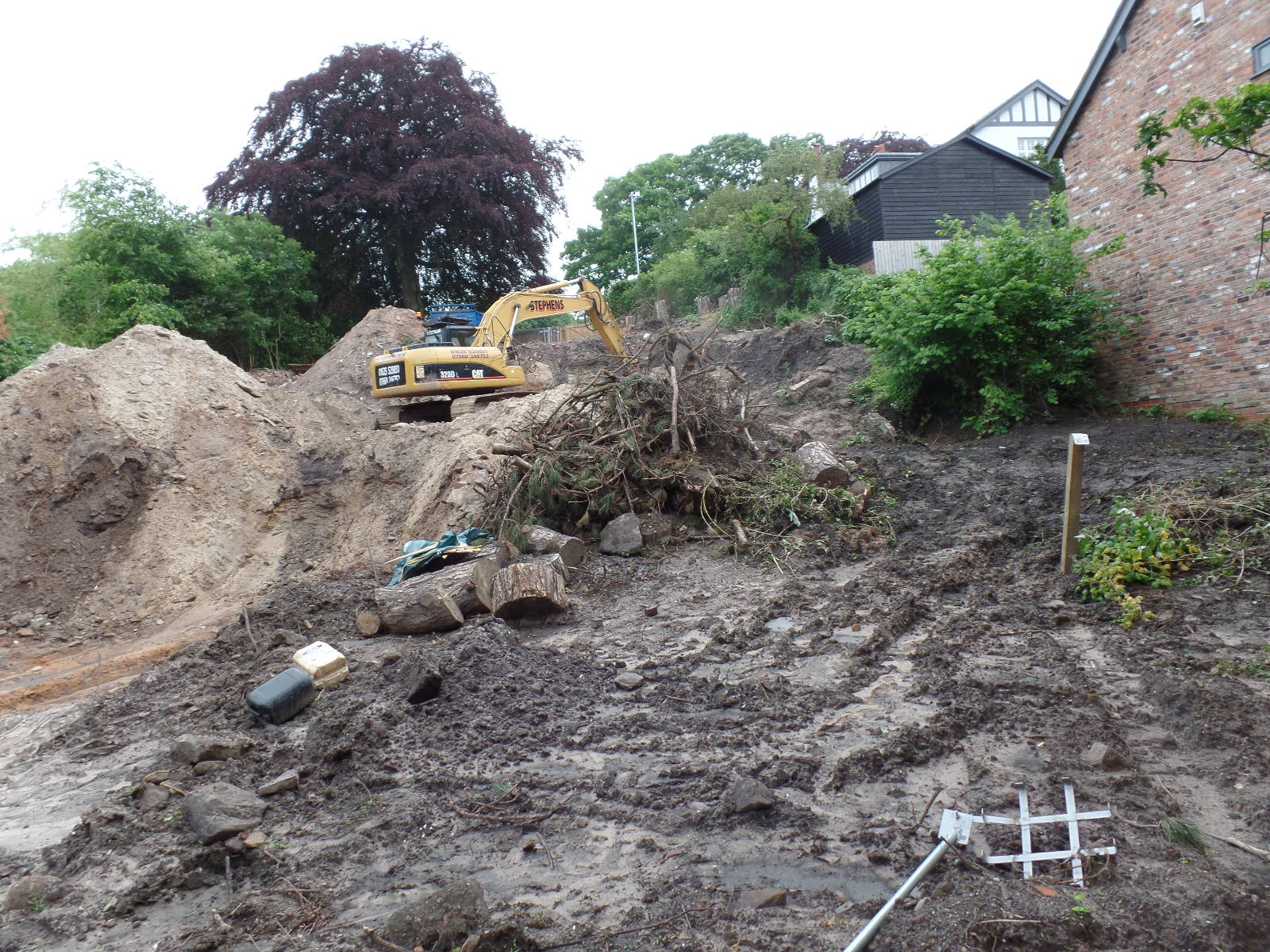
It’s not an abstractly-named share of a company I’ve never heard of. Instead, this investment is in a property development happening only a few miles away. Currently the site is just a mound of dirt with some diggers but it’s fun and interesting to see it developing!

Where’s there’s muck there’s brass

progress

Eventually it will look like this:

alderley edge 2

The development is currently in the excavation stage with 1,500 Tons excavated out of approximately 6,500 Tons of Sandstone to come off the site!

Once that is done a specialised tanking system will be installed to form a damp roof barrier against the outer walls of the building, so there’s plenty going on. You can follow further developments here.

There is currently a second investment round in this project too:

housecrowd part 2


If you’re interested in getting involved in investing in something more tangible than stock market investments, then there’s plenty of opportunities to put your money to work in property with The House Crowd.


{ 0 comments }

A Guide to Home Insurance and How to Get a Cheaper Deal

by Magical Penny on September 4, 2016

Home Insurance is not a legal requirement, unlike car insurance but it’s an incredibly important piece of financial protection that provides cover for your Home’s valuable contents and structure.

home insurance in the UK

Why should you definitely take out a home insurance policy

It’s fairly unlikely that your home will be damaged, but no one is immune to bad luck and in the event of a home being seriously damaged most people couldn’t afford to replace valuable items and fully repair structural damage.

Getting home and contents insurance quotes for the coverage you need is important so you have insurance in the event of a disaster or a break-in and can potentially save you thousands.

It’s common for banks and mortgage companies to demand that you agree to take out a valid home insurance policy before they lend you money to buy a home.


What does home insurance cover you for?

Home Insurance is split into two types of cover; buildings insurance and contents insurance. Usually insurance providers will offer the option of taking each type individually as well as offering a deal which includes both.

If you are renting, it is likely you will only need to take out contents insurance as your landlord should have a buildings contents in place.

Most insurers will tell you in detail about what their policies cover you for on their websites. It’s always important to know you’re insurer and if you have any questions about items that you’re not sure will be covered, be sure to ask them before you take out the policy.

A new service from CompareTheMarket called Simples is also great for giving you a summary of what is and isn’t covered on your policy.

Here’s what you need to do:

Read my review of the service here.

In general both buildings and contents insurance will cover you for loss or damage caused by fire, lightning, explosions, earthquakes, smoke, riots, theft, subsidence, storms and floods.


Buildings insurance

Buildings insurance will generally cover structural areas like walls, ceilings, floors, roofs windows, doors, drainage, garages and any outbuildings, as well as permanent fixtures such as work-tops and bathroom suites.

Contents insurance will generally cover you for items categorised as ‘items you’d take with you if you were to move’ for example sofas, fridges, bikes, T.V’s, computers, beds, curtains. Depending on the provider some will also include or offer additional cover on items like: large amounts cash kept in the home, jewellery, external locks and freezer contents etc.

You can understand why most people opt for the package deals that cover both buildings and contents (if you’re a home-owner). Again it’s vital that you check with your provider what your policy covers you for, make a list of everything and go through over the phone if necessary before making any sort of payment.

So how you do you get a cheaper deal?

There are two main ways you can get a cheaper deal on your home-insurance. One way is to use the internet to simply shop around for a cheap policy. There are hundreds of providers out there and most choose to be featured on big comparison sites whereby you enter details into online forms to unveil various options and prices. This is a quick and easy way to go about it and could save you a lot more money that you initially thought.

Secondly, a great way to get a cheaper insurance policy is to reduce the risk of damage, whether it be from a fire, theft flooding etc. Below are some effective means of securing your home and details of how much they could decrease your home insurance premium.

  • Having an approved security alarm system or a CCTV system could see your premium decrease up to 7.5%. Alarm systems and cameras may be expensive, but they can deter burglars and save you money on your insurance.
  • Having locks on all external doors and windows that are effectively locked when out can potentially decrease your premium by around 5%.
  • Living in an area that has a neighbourhood watch scheme in place could decrease your premium by around 1%.
  • Like car insurance, building up no claims bonuses year on year can save you up to 20% on your premium, by far the most effective way to cut the cost over time.

{ 0 comments }

Going On Holiday? How To Manage Your Money While Abroad

by Magical Penny on August 31, 2016

planeIt’s the summer time, and in the final few weeks, before we all get back to normal, we’ll be jetting off to various different countries. Of course, we’re all about saving money here, but holidays don’t follow the trend. It’s certain that we’ll be spending a lot of money on travel, accommodation and spending costs.

However, it’s that latter topic that I want to focus on today. When we get to our intended destinations, it’s far too easy to find ourselves in a position of vulnerability. We often simply agree to pay whatever we have to pay as we’re in a foreign location that we don’t understand. With the right amount of preparation, however, we can find ways to save those all-important finances with ease.

Let’s take a look at some financial tips to help you on your holidays this year.

Install GPS Maps Before You Go

We kick things off with a topic that centres entirely around the use of your phone. If you’ve ever been abroad and forgotten to turn your phone’s internet off, you’ll have felt the financial pain. It racks up a huge data bill that might take a very long time to pay off. Now, here’s the thing: we need mobile internet for lots of uses. One of those uses is GPS, where we can find destinations, or even play Pokemon Go in a new country! The best thing to do in this scenario is to download the maps ahead of time. Then, when you get to the new country, you don’t have to use up your internet connection downloading massive map files.

Saving moneyAlways Pay Local Currency Rates

You’ll find that most people will tell you to never use your credit card abroad. We’ll focus on a few additional methods of taking out money later on, but let’s say you have no choice. Now, you have to use your credit card, and you need a way of doing it without incurring too many additional costs. When you decide to take that money out, you’ll normally be given an option of your home currency, or the local one. Always go with the local one. By choosing your home currency, you’ll find that conversion rates also include extra costs for the privilege. It’s much, much easier to stick with the local currency.

Check Your European Health Card

You know that beautiful little health card that practically protects your wellbeing while you’re away? Did you know that it might well be invalid? In many cases, the reason for this is simply because it’s out of date. Unfortunately, we use them so rarely that we simply don’t take the time to check this detail. And, as it stands, it’s a totally free service for those who want to use it in the UK. You will probably come across people who choose to charge for them – don’t give in! You should never have to pay for a European Health Card under any circumstances.

Deal With Injuries Accordingly

Following on from that European Health Card advice, let’s talk about injuries. If you get ill or injured while you’re abroad, there are a few things you can do. Ultimately, the first port of call for something like an illness is to make use of that card. However, if you get injured in a personal injury scenario, you might actually be able to claim compensation back in your home country. Some companies will treat your injury as a normal personal injury claim under the right circumstances. And, if you’re wondering “how much injury compensation could I claim?”, the answer is – it depends. These things are worked out on a case-by-case basis.

Mobile Phone spendingBuy A Local Sim Card

We’re back to the topic of your phone again! Nowadays, we’re totally reliant on our phones to provide methods of communication. The idea of going for an entire week without as much as a text to concerned family members is unthinkable. However, using your phone abroad is very costly, as we mentioned earlier. Amazingly, we decide to pay the extortionate costs as a desperate measure in many cases. You know what’s easier? Buying a local sim card! Find a local phone shop, and buy a prepaid sim. As long as your phone is unlocked, that card should be able to fit your phone with no issues. The costs to both call and text will be significantly reduced from this moment on.

Uncover Vouchers & Deals For Local Attractions

Here’s a really easy tip that will come in handy whether you’re on holiday or not. The whole idea of a holiday is to explore what the destination has to offer, right?! Inevitably, this leads us to historic monuments and amazing entertainment attractions. And, because they’re the best of the best, we end up spending far too much money on them. In many cases, you’ll find that the internet is your portal to a vast array of discounts. By searching for the name of the attraction, followed by the term “voucher,” you might just come across what you’re looking for. 2-for-1 deals are very common, as are 10% and 20% vouchers. Even if you can’t find any offers, you normally get a discount for simply booking online ahead of time.

Pay Attention To Rental Car Policies

Renting a car is by far and wide the best way to explore a destination where you’re on holiday. After all, you’re only going to be there for a short amount of time. If you’re forced to comply with bus and train times, you’re going to be missing out on valuable exploration time. But, rental car companies know this. They know that you’re willing to pay over the odds, and they’ll be even happier if they can get a bit more out of you, too. While rental prices can be saved by shopping ahead of time, it’s the policies I want to focus on today. Whatever you do; read the policies carefully. There might be clauses stating that you can’t go past a certain location, or that mileage must be restricted to a certain amount. If you don’t follow those rules, you’ll be paying for it.

Using credit cardsInform Your Bank That You’re Going Abroad

So, when you’re doing all the final preparations before you head off on your travels, I want you to think of this. Make the call to your mobile phone company in the first instance, and tell them you’re going abroad. This should save additional costs. Then, I want you to do exactly the same thing with your bank. The reason for this is simple. When you go abroad and start spending money in a foreign location, your bank gets suspicious. After all, you spent £50 in Derby, UK last week, and now you’re spending $50 in Carolina, USA this week! How are they are supposed to know that your card’s details weren’t stolen or hacked? This can lead to your account becoming unexpectedly frozen. A quick call is all that’s necessary to prevent this.

Go Prepaid

We very briefly mentioned earlier how using your cards abroad can be an expensive thing. It often comes bundled with additional costs for the privilege of being able to do it, wasting money in the process. Why not go prepaid instead? By loading a prepaid card with funds, you can eliminate the possibility of going overboard with your spending, for one thing. Also, it means that there are no nasty charges that appear on your bank statement when you get back. When looking for prepaid cards, take your time. There are lots of deals out there, and some come with more downsides than others. Prepare this ahead of your trip.

moneyBring Lots Of Cash – But Not Too Much…

We haven’t even mentioned your all-important travel insurance policy today, but we’ll briefly touch upon it now. As is the case with a rental car policy, your travel policy has a lot of clauses in it. You need to make sure you’re studying these before you go abroad. One of the clauses that sometimes makes an appearance is that you’re only covered for certain amounts of cash. If you decide to carry more than that, and you get robbed, you won’t be able to recover those funds. So, in the first instance, exchange your money ahead of time. Find out how much you can afford to bring, and don’t go over the top. If you really need more money, think about the prepaid option we mentioned above.

Remaining in control of your personal finances is all about preparation. As long as you take the time to prepare for your holiday in the right way, you shouldn’t have to face any nasty consequences. Once you get abroad, things are going to be more difficult to manage if you haven’t organised yourself. So, use this guide as somewhat of a checklist. Go through our points once more and make sure you’ve ticked off what you need. Then, add your own flavour to the mix, and you’ll be all set for an amazing holiday.


{ 0 comments }

Buying Your First Home: What Do You Need To Consider?

by Magical Penny on August 31, 2016

house mortgage UKGetting a foot onto the property ladder is something that’s always worth doing, if you are able to.

Instead of renting and paying to live in someone else’s property, you’re investing your money into something that will be yours. It gives you security, as once it’s paid you no longer have to worry about paying for somewhere to live. It also means you can use the equity in future if needed. But when buying your home there’s a lot to consider, here are some of the things you will have to think about.

Save For a Deposit

The size of the deposit you have will make a big difference to the best mortgage deals you can find. You will need at least five percent of the value of the home you want, the mortgage broker will then lend you the remaining 95%. For example, to buy a £100,000 property you would need at least £5000. However this is just the minimum, if you are able to save beyond this it will put you in a much better position. You’ll be seen as less of a risk by lenders who will be more likely to offer you a mortgage, and your monthly mortgage payments will be cheaper too.

Saving for a deposit for your first home can be tricky, especially if you’re already paying a significant amount on rent each month. Start saving as soon as possible, and put away whatever you can. Consider moving to a cheaper property while you save, or even back in with parents if possible so you have more extra cash each month. Reworking your budget is also a good idea too. You may have less to spend on extras and luxuries for a while as you save for your deposit.

Consider a Help-to-Buy ISA too (more information here)

Find a Good Estate Agent

A good estate agent will guide you through the process of buying your first home. They will deal with the paperwork, liaise with your solicitor and negotiate on your behalf. Checking out new info from Entwistle Green and other similar estate agents can give you an idea about the kinds of services they offer. There should be no estate agent fees when you are buying a property, but if you come to sell in the future the fees are usually between 0.75% and 3.5% of the selling price. So something to take into consideration. Dealing with property is complex, having an agent to deal with things on your behalf can save you a lot of stress and headaches.

Get Insured

Once you have successfully saved for a deposit and secured a mortgage, another important step is to get insured. You will need two kinds- contents insurance (to protect everything inside) and buildings insurance (to protect the property itself). This is extremely important otherwise any structural damage will be coming from your pocket. This could cost several thousand pounds, maybe even tens of thousands. Damage caused by natural disasters such as fires or floods affect thousands of homeowners every year, don’t get caught short. The price you pay will depend on where in the country you live, and the risks associated with the area. Run your details through a price comparison website for an idea of the types of costs you’ll be looking to pay.

Happy Saving!

{ 0 comments }

lisa lifetime isaWe all need to keep one eye on our retirement funds. If you’re already thinking about investing money to guarantee a comfortable life after work, the big question is this: where should you invest?

Do you choose an ISA, a pension, or a blend of both? And with the government’s turbocharged ‘Lifetime ISA’ – also known as ‘Lisa’ – on the horizon for 2017, your decision is about to get more complicated.

Choices like these form the core of developing your own lifetime financial management plan, creating a nest egg that will deliver the retirement you deserve. In this article we’ll compare ISAs and pensions, and consider the questions you need to ask yourself as you decide on how best to save for the future.

When do you need the money?

The biggest difference between an ISA and a pension is the age at which you can withdraw money.

With a pension, your money is locked away until you reach 55 at the earliest. Whereas money kept in an ISA tends to be accessible at any time. As we’ll see later, 2017’s ‘Lisa’ vehicle goes a step further.

How do you want to manage tax?

Pensions and ISAs are tax efficient: pensions offer tax-free options, while ISAs are completely tax-free as long as you stay within your annual £15,240 tax-free allowance. But pensions have a number of significant tax-related advantages. If you’re a higher rate tax-payer when you pay into the pension, you will receive tax-relief at your highest rate of income tax, 40% or 45%, depending on your earnings.

However, when you come to drawdown money from the pension you are more likely to be a 20% basic rate tax payer, so you’ll immediately be paying less tax on the proceeds than when you paid into the pension. In other words, you’ll be quids in all the way.

money making ideas2017: Definitely Lisa’s year

The government’s Lifetime ISA option should be introduced in April 2017. Anyone under the age of 40 who opens a ‘Lisa’ will receive a 25% bonus on their savings amount, roughly equivalent to basic rate tax-relief.

The maximum you’ll be able to pay into a lifetime ISA in any financial year is £4,000, so with the government’s free 25% bonus you’ll be saving £5,000 a year tax-free.

Here’s the catch: Lisas are designed to get young people saving for retirement, so although you can withdraw your money at any time before you turn 60, you’ll lose the government bonus (and any interest or growth you’ve built up) and you will have to pay a 5% charge for doing so.

There is one exception though, and that is to use the funds for a deposit on your first house (in the same way as the Help-To-Buy ISA)

Saving in a Lifetime ISA should be for the long term – wait until you’re 60 to make a withdrawal and everything you take out of it will be tax-free.

Decision time. Pension or ISA?

But as ever, the bottom line is all about individual requirements. Do you need access to your money in the short term, or can you find the will power (and, perhaps, luck) to be able to save over the longer term? The reality for most people today is this: investing in both an ISA and a pension at the same time is the best way to guarantee a long and prosperous retirement.

Looking deeper

If you’d like to find out more about pensions, ISAs or Lifetime ISAs – and how you can take advantage of the benefits they offer ­– get friendly, no-obligation financial tips from Flying Colours. Get in touch with us here.

{ 0 comments }

Selling A House Is Easy When You Follow These Tips

by Magical Penny on August 30, 2016

house questionSelling a house is one of the toughest tasks you’ll face in your life. It’s both physically and emotionally draining.

With this article, you’ll find the process a lot easier. I have some key house selling tips for you, as well as some advice to reduce the stress. You can find all this information right here:

Sell At The Right Time

Selling your house all revolves around the state of the property market. In a moment, I’ll talk about the importance of knowing the value of your property. But, the state of the market can have a huge influence on its value. When things are bad, you’ll get a lot less for your house than you will when things are good. So, it’s important that you try and sell your house at the right time.

The easiest way to do this is to follow the market closely. Usually, it’s not recommended you jump into a sale on a whim. It’s something you should plan for months, maybe even years. This allows you to spend a lot of time checking the market and seeing how much houses are selling for. It’s not difficult to gauge how well things are going. All you have to do is pick up a few property magazines or read the news. There’s always someone commenting on the property market and whether or not house prices are down or up. Naturally, when selling your home, you want prices to be up. This will help you get the most out of your sale. If the market is very bad, then it’s advisable you don’t sell. You can lose a lot of money if you sell at the wrong time. Hold your horses, and be patient. Wait until the prime time to sell comes around, and then you’re winning.

Of course, this rule applies to people that choose to sell their home for a particular reason. They may want to move into something different, but it’s not urgent. So, waiting around for the best time to sell is fine for them. But, there are instances when people are forced to sell their home at a certain date. Perhaps it’s part of a divorce settlement? Or, a new baby is on the way, and they’re in desperate need for a new home. In these cases, your hands are tied, and you can’t wait for the best time. But, all the other tips in this piece will still help you get the best price possible in the current market.

 

houseUnderstand The Value Of Your Property

It’s crucial that you understand the value of the property you’re trying to sell. There are two main reasons behind this. Firstly, if you know the approximate value, then you can see how much you’re going to get for it. This helps you prepare for your next move, and what you’ll do with your money. Secondly, it lets you see the clientele you’re catering for. If your property is valued highly, then you’re going to cater to a specific portion of the market. You’ll be looking at buyers with a lot of money, and this makes a difference. It changes the way you advertise your property, and can impact your choice of estate agent.

So, how do you understand the value of your property? Well, the easiest thing to do is get someone around to estimate the value. This could be a property surveyor or an estate agent. Many companies have a tool on their site that lets you book a free valuation for your house. If you’re interested in how this booking tool works, then you can see it at Taylors and other online estate agents. Once you know the value of your property, you can go ahead and proceed with the other steps.


Find An Estate Agent

Now, you could sell your house on your own, but I wouldn’t recommend it. Yes, there are some benefits to doing this. Mainly, you get to pocket all the profits and don’t have to pay estate agent fees. But, finding an estate agent can elicit better results for you. Why? Because they know things that ordinary people don’t. Think about it; it’s their job to understand everything about selling a property. They do this every day and have bags of experience. Most people will probably end up selling less than five houses throughout their life. So, we’re not blessed with insider knowledge and experience.

The biggest reason to use an estate agent is that they provide you with buyers. People go to them when they’re looking to buy a house, as well as sell one. So, they have a list of potential buyers that could be interested in your property. And, remember how I said the value of your property could influence your choice of agent? Well, if you have a high-class property, then you’ll be looking for estate agents that deal with these types of house. There are specialist agencies for properties above a certain price. What does this mean? It means that they’ll have people buying from them too. Essentially, they can provide you with your target market.

Estate agents will also help market your property for you. But, we’ll talk more about that in the next point. Primarily, you should find one because they represent your best chance of getting more money from your property. Plus, the sale can be carried out a lot quicker too.

 

house mortgage UKAdvertise As Much As Possible

Speak to any business person and they’ll tell you that advertising is crucial. It’s a way of letting consumers know that you exist. Without advertising, we probably wouldn’t know a lot of things existed. The same is true when dealing with a house that needs to be sold. How will anyone know it’s on the market if you don’t advertise it? You’ll get far fewer people enquiring, and the sale will be long and stressful.

This is where your estate agent comes in again. What they can do is advertise your property in their shop window and on their site. This ensures more and more people will see it. Plus, they can show it to any clients they have that are looking for a house. But, this isn’t the only advertising you should do. Take things into your own hands to spread the word. Go on your social media channels and post about the sale of your house. Put photos up and advertise it, urging people to share. For every person that shares, you appeal to a wider audience.

Finally, there’s the good old-fashioned for sale sign. Stick this outside your house and passers-by will know it’s on the market. You’ll be surprised at how effective this is in attracting buyers.

These are the three main things to think about when selling your home. Of course, there are other things you have to do too. Such as cleaning your house and making it presentable for photos. But, if I had to pick three things to focus most of your attention on, it’s these three.

Now, I have some advice to make the process much easier on your health. Selling a home can be stressful, and cause a lot of anxiety in people. Plus, it’s surprisingly physically demanding when you sell a home and move out. So, here’s some advice to get rid of the stress and make it an easier experience:

cautionDon’t Leave Things Until The Last Minute

The best piece of advice I can give you is not to leave things until the last minute. Speaking from experience, I can tell you it’s not fun. There are plenty things you can do while your house is on the market. For example, tidy your home up and get everything ready for the move. Once your house sells, you may have to be out of there quickly. So, if you leave everything until the sale is agreed, you’ll be in a rush. It means you end up doing months of work in the space of a few weeks.

Needless to say, this makes things very stressful. Especially if you have a lot of stuff to clear out. You can clear any unwanted things out at any time, don’t let it pile up until you have too much to do.

Prepare For Setbacks

In an ideal world, every sale will run smoothly. And, this could easily be the case when selling your home. However, you need to prepare for setbacks. Get it into your head that things can go wrong at any time. Even when someone has put a bid on your house, this doesn’t mean everything is done and dusted. Again, I can speak from experience here. When selling a house, someone once put in a bid at the full price. Things were set in motion, and it looked like the sale was final. But, before contracts were exchanged, the person pulled out. So, we were back to square one.

My point is, be ready when things go wrong. Understand that it’s natural, and don’t let it stress you out!

Bookmark this page if you’re about to sell your house, or plan to sell in the future. It will help you out, and you’ll be filled with less stress.

{ 0 comments }

Simple and Easy Ways to Save Money Everyday

by Magical Penny on August 24, 2016

These days we need to tighten our belts more than ever. The cost of living just seems to keep rising. Sadly, wages don’t seem to be going up at the same rate. So if you can save money here and there, it can make such a difference to your life.

The key is to save small amounts regularly. It is easier to do if you are on a budget, rather than saving big chunks of money. After a while, the small amounts will add up. So it is certainly worth doing. What are some easy and simple ways to save each day, though? Here are a few ideas for you.


shopping tips for supermarketsMeal Plan

It can be surprising how much money we waste on food. If you are the kind of person that just wanders around the grocery store and picks what they feel like at the time, then it needs to change. If you want to save money, that is the worst thing that you can do. You need to plan out what you are going to eat. It is a good idea to have an inventory of your store cupboards and freezer. Then, first of all, you can work meals around what you already have. Then you could just get some fresh vegetables to make it all a meal. But plan what you are going to eat and have foods that will work together. If one dish doesn’t use all of the jar of passata, for example, plan another one that will. Have that the next day. You will find you spend less on groceries and throw out less rotten food too. If you are new to meal planning, there is some help here: http://www.goodhousekeeping.co.uk/food/weekly-meal-planner.

Should I open a Junior ISALook For Coupons

When you are shopping, whether it be for groceries or new school shoes for the kids, look for discounts and coupons. There are many sites online that gather the codes up for you, like http://www.plusvouchercode.co.uk. You can also look for coupons in magazines, in stores, on food products and newspapers. So gather them up and use the ones that are suited to you. There is no need to use them if you don’t really need to, though.

Exercise at Home

Do you have an expensive gym membership that doesn’t get much use? If this is the case, then there are ways that you can exercise more cheaply. You can run outside in your neighborhood or local park for free. There are many free workouts and tutorials on YouTube that you can follow too. So think about how much you use a gym membership and if working out at home might work for you instead.

Eat Leftovers

Buying lunch at work is an easy way to rack up your weekly spend. One easy way is to make a little extra for dinner the night before. Then take that with you to work. Taking your own food, leftovers or not, will prove to be much cheaper than buying lunch every day.


Any other ideas? Leave them in the comments section below.

{ 0 comments }

How organised are you with your insurance and financial paperwork?
  • Do you have a folder with all the documents neatly arranged?
  • Is your filing system beautifully organised and easy to use?
  • If your house was broken into or you were in a car crash would you know who your insurers are and what number to call?
  • Do you understand your home, car and travel insurance?
  • Do you know what is and what is not covered?

If you answered “No” to any of these questions, then this post is for you. And even if you are super-organised this new system could save you a lot of time.

Last month I was invited down to London to trial a new piece of online software being built by CompareTheMarket.com. The meerkats have been busy coding to create a new product called ‘Simples’ which is an online portal for all your insurance documents.

simples

Here’s how it works

You first need to create an account with CompareTheMarket. You don’t have to have bought insurance through the site to use this tool, you just need a login.

Once you’re logged in, you can begin scanning your insurance documents.

simples 2

Testing out new technology in London with influencial bloggers #MagicalPenny

Step 1: Scanning into the system.

I currently keep my insurance documents in a box in my study.

It’s not the most organised system but so far I’ve managed to find the relevant piece of paper when I’ve needed it….after plenty of time looking through the box!

In recent years more of my insurance companies have sent me digital copies of documents.

I label them in my email inbox but in a similar way to my box of files, I’ve had to search through my email to find the right document.

The Simples tool offers a solution to this. Simply scan in your insurance documents: car, home or travel, and the system will keep it safe for you.

You can take a photo of each page, or upload a PDF and within a minute or so your documents are safely and securely stored online.

Step 2: Super Clever Analysis of your documents

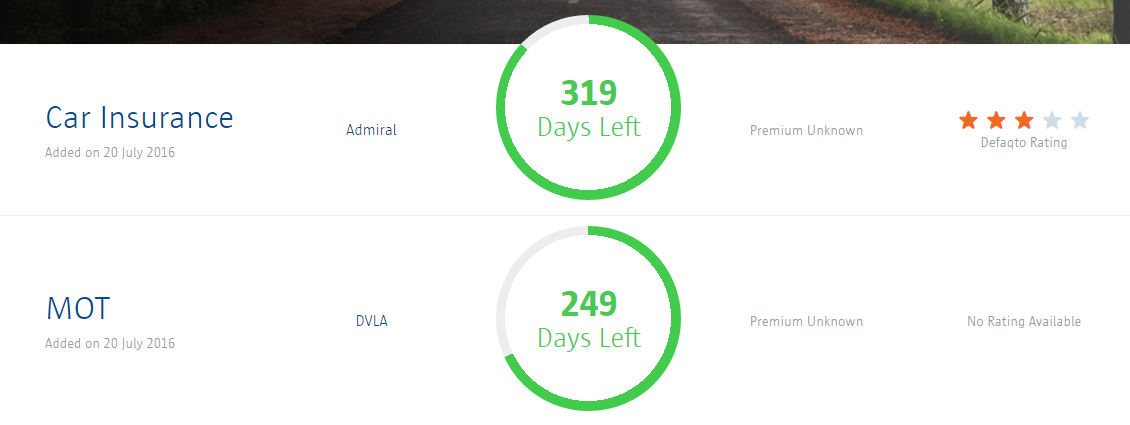
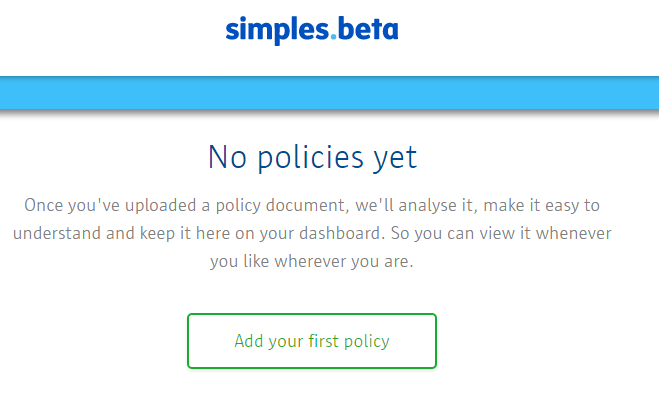
Simples doesn’t just store a scan of your insurance documents. It actually reads the contents and parses out the most relevant bits of information in an easy-to-read format. For example, thanks to Simples, I could quickly see what kind of coverage my home insurance had and when my car insurance was due for renewal. It also did some extra legwork, checking with the DVLA that my car’s MOT was up-to-date.

insurance reminder

Step 3: Your personalised database, accessible on your smartphone or online

Now that your documents are in the system, you can easily find them when you need them.

This has already provided peace of mind for me because you normally need insurance documents in moments of crisis and you don’t want to have to dig around for too long to find the right paper work.

For example, when I crashed my car I needed to find my insurance documents pretty quickly. This involved some frantic searching of my emails. With Simples all my documents are uploaded and ready for me when I need them.

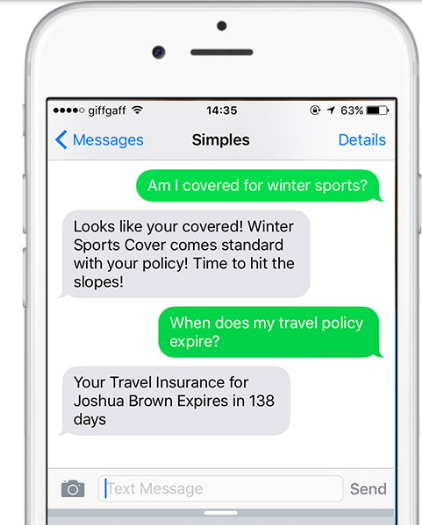
For additional information you can also send texts to the service to ask questions about your insurance!


Step 4: Reminding you of renewals

I already have calendar reminders set up to renew my various insurance policies, but Simples makes me feel more organised and you can never have too many prompts – as you can see I still haven’t sorted my home insurance but I will be doing today!

text

Get involved yourself and test SIMPLES in Beta

BETA means it’s not quite a finished product and there might be some errors but you’re welcome to try this free tool to help you feel more organised with your insurance documents.

Here’s what you need to do:

Don’t forget, it is still in the development stage, so if you notice any errors or see things you’d like added or changed, you can always get in touch with Simples to let them know, or leave a comment on this post and I will pass it on to the development team.

It would also be really interesting to know your thoughts on the app generally, and any additional ideas you might have!

Simples!

{ 0 comments }

5 Bullion Products Worth Investing In

by Magical Penny on August 16, 2016

One way to diversify your investments and assets is to invest in bullion, whether it is silver, gold, or platinum. Gold is the most popular and recognisable metal that has been used as a form of currency since ancient times. Buying gold is an excellent way to internationalise and preserve your resources and wealth. Here is a brief look at 5 gold bullion products worth investing in.

1.     Austrian Philharmonics

These bullion coins are produced by the Austrian Mint and are extremely popular in Europe and the Americas. They are beautiful and visually appealing coins gold coinminted in silver and gold. You can purchase these coins in Central Europe and store them anywhere. For example, you can store them in Vienna, the capital city of Austria.

They can be bought by many dealers all across Australia and are generally less famous than Maple Leafs and Gold Eagles; hence, they are one of the best bullion products for internationalisation.


2.     Canadian Maple Leafs

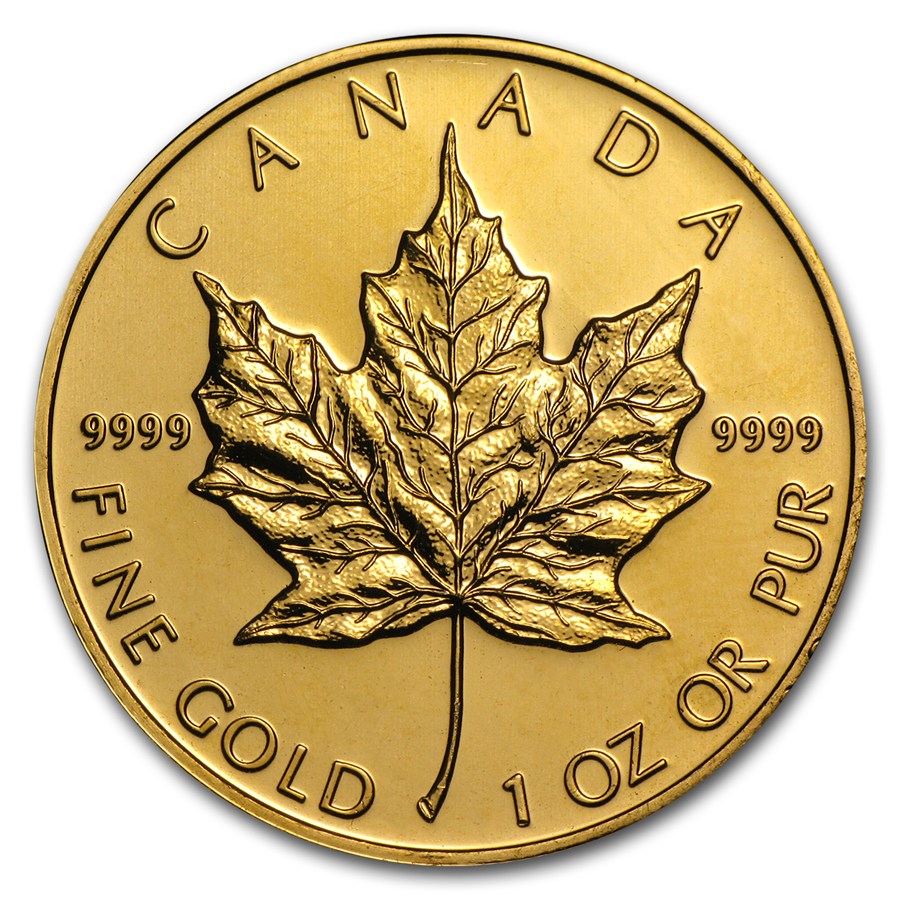
The Canadian Maple Leaf is produced by the Royal Canadian Mint about 25 years ago and is one of the most well-known gold bullion products. It was the second gold coin to be minted after the South African Krugerrand. It has a gold content of around 0.9999 and is considered the purest gold coin. Their weight is about one ounce and they are traded in countries like Hong Kong. They are an excellent addition to your investment portfolio.

nugget3.     Australian Gold Nuggets

Also known as Australian Kangaroos, they are manufactured by the Perth Mint and they are one of the few to change their design on an annual basis. The gold content of Australian Kangaroos is 0.9999 and these coins are very popular, especially among Asian investors. It is considered the top most gold bullion product for internationalisation and were featured in the year 2011 in international news.

4.     American Eagles

Very popular in the United States, these gold American Eagle coins are 22 carat. They can be purchased and stored very easily, but this bullion product is not so well-known in the gold markets of Asia like Singapore and Hong Kong. Nevertheless, it is one of the best gold bullion coins to invest in. The content of gold present in American Eagles is around 0.9167.

5.     The Krugerrand

The South African Krugerrand is the first bullion coin to be minted about 50 years ago. It has a colourful history and it was an attempt to market gold, which is found in abundance in South Africa. It is very well-known among investors. These bullion coins consist of about 0.9167 gold and have a weight of around 1.1 ounces.

The Krugerrand can be credited as the first gold coin that took the world by storm; it served as a legal tender for the general public. Currently, the Krugerrand holds the greatest number of ounces when it comes to gold bullion coins; more than all of the gold bullion coins combined internationally.


{ 0 comments }

ImportantGiven the uncertainty associated with your life and health in general, it is always wise to ensure that you have adequate cushion to fall back on during medical emergencies.

Often, simply investing in a health insurance policy might not be enough. If you are hit by ailments that require specialised care, like cancer, strokes etc., all your expenses will not be covered by your insurance provider and you will have to shell out money from your own pocket. In such a situation you can consider buying a rider for critical illness insurance to cover your family and yourself against acute ailments.

What is critical illness insurance?

Wikipedia defines critical illness insurance as an insurance product that makes a lump sum payout when a disease of a grave nature is diagnosed in the policy holder.  However, do not take it as a substitute for your basic health insurance, as it an ideal add-on coverage to your regular insurance product. It is a fixed benefit product, which will pay you the assured amount once the diagnosis of the disease is complete.

5 Things You Must Carefully Consider before Buying a Critical Illness Policy

1. Keep Your Present Situation in Mind

The first thing to keep in mind when you are considering the purchase of a critical illness policy, is the family structure that you have, your present age and your dependents, especially aging parents. Having senior citizens in the family might signal that you need extra coverage for sudden ailments like strokes etc. With a family that depends on you, a critical illness policy will be an additional layer of safety for your loved ones against unprecedented illnesses which may affect your financials. Hence, choose a critical illness policy that will offer you sufficient financial aid so that the other needs of your family are not compromised with.

healthcare2. Keep Your Health Conditions in Mind

Your present health might be a deciding factor whether you should buy a critical illness policy or not. If you are a habitual smoker, have a hectic work life with related stress, you are more vulnerable to health problems in the future, reveals John LaMattina in one of his articles published at Forbes. Therefore, it is always wise to begin early so that there are lesser hassles to confront. Being a smoker, however, might raise your premium slightly. Keep in mind your family’s history of ailments as you might be susceptible to such similar health challenges going ahead.

3. Carefully Analyse Your Financial Standing

If you believe that your present financial situation is sturdy enough to combat any unprecedented health issues, you can consider opting for a critical illness insurance policy with a smaller coverage. No matter how well you are earning presently, you must keep in mind that health care costs are rising by leaps and bounds and further inflation in the healthcare sector is inevitable. Therefore, keep all these factors in mind before deciding on the sum assured.

4. Choose a Plan That Gives Comprehensive Coverage

Being hasty with insurance is never a good idea. Although critical illness insurance might not be your primary health insurance, it is important nevertheless. Hence before selecting one, go through the list of illnesses covered to know if most critical conditions will be covered by the insurer. Alongside, make sure you read the terms and conditions thoroughly to be aware of the exclusions in the policy. Often, it is difficult to understand the policy wordings as put forth by the insurer. If you have any doubts regarding any terms, make sure you talk it out with your agent before signing the papers.

5. Choose a Plan that Complements Your Health Insurance Policy

When selecting your critical illness insurance, make sure it is in symmetry with your health insurance policy, so that you get adequate coverage at a reasonable price. You may choose to visit the website of one of the many popular insurance aggregators to get the best deal with the best available plans that match your requisites, preferences and budget. Remember, the plan that you’re buying must cover all aspects of health care so that your health insurance portfolio is secure.

Over to You!

A critical illness insurance policy is an additional layer to your health insurance, keeping in mind the uncertainties that life throws our way.

So invest wisely and live peacefully!


{ 0 comments }