How to Build Your Best Current Account

by Magical Penny on May 28, 2013

building good creditThe other day a friend asked me about his work pension and the investments that made up the pension.  It was great to see he was being proactive and seeking advice, but before I gave him my thoughts on the matter I wanted to make sure he had the right financial foundation.

Why?  Because preparation is everything. Whilst I believe investing is for everyone, not everyone puts in the right amount of preparation to address every facet of their financial lives before taking a plunge into the market. Lack of preparation is often the source of the horror stories that make it seem like investing is overly complex or excessively risky.

Before you start investing you need the right mind-set and the right financial foundation. This preparation begins with most central part of any money-management system:

The Current Account

A Current account (checking account in America and other countries) is used for day to day spending. The fundamentals are simple: your incomes goes into the account; your expenses come out, either through a debit card, cheques, cash or bank transfer (paying off credit cards and bills). The first goal is to make sure that each month your income is above your expenses. A budget should help with this. But if you are really going to grow your pennies successfully and consistently there are a number of things you can do with your current account to help you achieve your goals.

Note: if you have a business it’s important you have a seperate business account. The importance of business savings include separating funds from personal expenses for budgeting, accounting, and psychological reasons to help prevent you getting in a financial mess.

Fee or No Fee

Some current accounts come with a monthly fee offering ‘packaged’ benefits. These offers can be useful like insurance or a higher ‘free’ overdraft limit but take 5 minutes right now to consider if you really are getting enough value out of the ‘product’ to justify the monthly fee. Fee-based current accounts are highly profitable for banks because most people do not use all the features that they are paying for month in, month out. That said, the fees that business accounts have are often very worth it given the benefits and preferential treatment you can get.

Direct Debits

In the UK direct debits are one of the most common ways to pay regular bills (they are like a US Automated Clearing House –not to be confused with direct deposit because for direct debits it is the vender that initiates the transfer after you give it permission). It’s useful for irregular amounts like varying utility or credit-card bills and vendors often give you considerable discounts for paying this way as they have the added security of knowing they will get paid each billing cycle. Giving control to a company to take money out of your account may seem odd but thanks to the British direct debit guarantee the consumer is 100% covered should any mistake occur.

Like all regular financial commitments though, you should review them as much as possible to ensure that you are still getting the same amount of value out of them. Personally I’ve avoided as many direct debits as possible (I only have 1!) prefering to make my spending conscious and my saving automatic, rather than the other way round: the most common way.

Ultimately if you are making necessary regular payments, paying by direct debit can save you a considerable amount (particularly for utilities) but make sure you review them from time to time and if you are overpaying for things you no longer value then be proactive and channel those pennies into savings.

Standing orders

Standing orders can be used to pay regular fixed payments and in the UK you can specify them to run indefinitely or for a fixed amount of time. For example I pay my rent by standing order because it is a consistent amount every month and it means I don’t have to worry about mailing a cheque or making a manual transfer to my landlord each month.

One of the most powerful things you can do however is set up a standing order TO YOURSELF. You can do it in two clicks with online banking or by filling out a form in your local branch. It doesn’t have to be much if you’re just starting to save but rather than waiting until the end of the month and saving anything that’s left, set up a standing order to automatically transfer something, anything, from your current account to a savings account at the start of each month And don’t worry, if you get in any trouble you can cancel the standing order at anytime. You are in control.

‘Paying yourself first’ is one of the most important things you can do to  begin building up your pennies, without any effort after you have set up the initial standing order.


Overdrafts

The final element of the current account that we’ll review today is the Overdraft facility. Overdrafts are an extension of your account balance, essentially a flexible loan that allows you to spend more than the total of your account balance. Almost all of my friends have overdrafts as they are a staple feature of student and graduate bank-accounts. Student overdrafts are nearly always interest-free meaning that you can use up to a typical £2500 at no cost for the duration of your time at university.

The problem comes when the interest-free overdraft is reduced, as happens after graduation. In my own case my interest-free overdraft facility grew from £1500 to £2000 upon graduation, then a year later reduced to £1000, then £500. Of course the bank was still willing to keep my overdraft facility at £2000 but anything above the ever-decreasing threshold was charged with interest. Thankfully I always remained below the threshold but most students find themselves in their overdraft and then can’t pay it off in time before the interest-free rate disappears. They are financially captive: paying for money that was given to them for free but then the terms changed. If you took the bait of  ‘free money’ then your first priority should be setting yourself free.

The most important thing to remember about overdrafts is that it is not your money. On an intellectual level this is obvious and simple but banks know that psychologically we find it hard to grasp, particularly when our bank statements include the overdraft facility when they say how much we have available to spend.

Whilst it is possible to profit from an interest-free part of an overdraft by putting the money in an interest-bering savings account (I did this), generally the returns are not big enough to warrant the physiological effect of being in your overdraft. The best piece of advice is to get out of your overdraft and then ignore that it ever existed. Do not consider it a part of an emergency fund or treat it as part of your savings account. If you’re truly wishing to grow your pennies concentrate on other things and stay away from the mind-games that an over-draft facility can play on you.

A Managed Bank Account

Another possible option to help you with managing your finances could be a managed bank account. Essentially two accounts in one: one for your essential bills, Direct Debits and standing orders, and another where all your disposable income is placed for you to spend as you wish, knowing that your important bills have been accounted for. Also, since managed bank accounts are a kind of basic bank account, there is no overdraft available, so you aren’t tempted to spend money you haven’t got.


There are also other options to consider if you are interested in commercial banking.


Get your current account doing the work

A current account may seem like the most basic tool in finance but when optimised through reduced direct debits, plenty of standing orders to yourself and ignoring any overdraft facility, it can provide a strong foundation before undertaking any plan to grow your pennies. An optimised current account also allowing you to be more confident when you move onto more fun things –like saving and investing for the things in life that matter to you. Have a look at you current account today and make the next step to get it working for your future self.


{ 2 comments }

Some market updates:

EUR:

The euro picked up half a cent against sterling and one and a quarter US cents. With the Cyprus bailout all but sorted investors had no motive for renewed selling. The European Central Bank president sent the euro higher by reassuring investors that the clumsily-managed Cyprus bailout would not be the template for similar such actions in the future for these massive international money transfers available online.


USD:

The dollar lost a cent to the pond and slightly more than that to the euro. The bulk of the selling came on Friday afternoon when investors were disappointed by the monthly change in US nonfarm payrolls. Instead of the expected 191k new jobs in March the actual figure turned out to be 88k, raising fears that the US economy had taken a turn for the worse in the foreign exchange market.


CAD:

The Loonie lost a cent to the pond and barely managed to hold its own against the US dollar. Friday’s sell-off was the result of disappointing North American employment data. Instead of the predicted small increase, the net change in Canadian employment showed a loss of 54.5k jobs and the rate of unemployment jumped from 7.0% to 7.2%.


AUD:

The Aussie lost two cents to the pound and one to the US dollar, mainly as a result of events elsewhere. The European Central Bank president’s reassurance that any future bailouts in Euroland would be handled less clumsily than the recent one in Cyprus dampened investors’ appetite for the safety of the AUD. On Friday weaker than expected American employment data raised concern about global demand for Australia’s exports.

NZD:

The Kiwi lost half a cent to the pound and quarter of a cent to the US dollar, mainly as a result of events elsewhere. The European Central Bank president’s reassurance that any future bailouts in Euroland would be handled less clumsily than the recent one in Cyprus dampened investors’ appetite for the safety of the NZD. On Friday weaker than expected American employment data raised concern about global demand for New Zealand’s exports.

{ 0 comments }

IVA Vs. Bankruptcy: Which is Cheaper?

by Magical Penny on April 23, 2013

 Paying off debt is never easy, and when evaluating debt management solutions, you’ll naturally consider the costs involved. It’s natural.

However, even though there’s quite a big difference in the cost of bankruptcy and the cost of an IVA, you should consider the practical implications of each rather than basing your decision solely on the cost involved.

Let’s look at each one in turn.

Typical Bankruptcy Costs

To go bankrupt, you’ll need to find a lump sum that’s paid partly to your local court and partly to the Insolvency Service. The total of these two fees is around £750. If you’re on benefits, seek professional advice; you might be able to get this fee reduced.

You may also pay fees for advice or guidance during the bankruptcy process.

Bankruptcy seems like great value, but remember: there is a huge downside to bankruptcy in that your assets become vulnerable. Your house and vehicle could be repossessed and sold to pay your debts. Additionally, you’ll be barred from acting as a company director or doing certain jobs.

On the plus side, you’ll be completely debt free within just one year.

Typical IVA Costs

The fees associated with an IVA are higher. You can expect to pay something like £1,000 to set up your agreement, plus additional fees through the course of the IVA. In total, people on IVAs generally pay around£3,000 to £5,000 in fees.

Unlike bankruptcy, IVA fees aren’t payable upfront. They’re incorporated into your repayment plan and it is therefore your creditors that suffer this rather than you.

Although an IVA is considerably more expensive than bankruptcy on paper, bear in mind the three big advantages of an IVA:

  • Your details won’t be published in the press.
  • You’re unlikely to encounter too many problems with your employment in the future.
  • You won’t lose your home.

Don’t Forget…

If you continue to struggle with debt, the mounting burden of interest and penalty charges will dwarf the fees associated with an IVA or bankruptcy. No matter which method you choose, you must act quickly so that you can tackle the debt and get it under control so that the amount you owe begins to decrease.

For some people, bankruptcy is the right choice because it allows them to become debt-free very quickly. For others, keeping the family home is the most important consideration, so an IVA clearly wins out.

To ensure you’re making the right choice, speak to licensed insolvency practitioners about your options. Get professional help so that you can weigh up the benefits of both and choose the right debt management solution for your circumstances. Varden Nuttall Limited IVA advisors are there to help you make the right choice.

{ 0 comments }

Tips to Cut the Cost of your Energy Bills

by Magical Penny on April 22, 2013

There are few of us who aren’t feeling the pinch of rising energy costs. Yet, a few simple actions could save us hundreds of pounds every year according to the leading energy-saving advice charity.


The Energy Saving Trust Foundation provides free impartial advice to households on how to cut the cost of their energy expenditure. Follow their pain-free advice below to see the difference on your next bill.


1. Switch tariffs

If you have been on the same standard tariff for years, a quick search on a comparison website may find you a better deal that could save you hundreds of pounds every year.

Savvy consumers can make substantial savings by shopping around, especially if they switch to a dual fuel deal for their gas and electricity. However, you may find a better tariff is available from your own supplier and you only need to make a phone call to them to start saving!

With energy costs expected to keep rising, fixed rate tariffs are a sensible choice but read the small print as some long-term deals include exit fees if you find a better deal later and want to switch again.


2. Pay by direct debit

If you are receiving paper bills and paying them by cash or cheque, you can usually make considerable savings by switching to paperless billing and bill pay by direct debit.

Some suppliers offer discounts of up to £100 for making this small change.


3. Wear a jumper

 The Energy Saving Trust estimates that around £65 can be saved every year by turning the thermostat down by just one degree. If you wear a warm jumper and turn it down a couple degrees you could save yourself a massive £130 a year!

The last winter woollies are now heavily discounted in the shops so you could pick yourself up a warm cardigan for just a few pounds. Better still, pay for your warm togs by selling anything you no longer wear. Recycling clothes for money via a clothes-buying website is a great environmentally-friendly way to make some quick extra cash.


4. Switch things off

When you don’t need the heating on, switch it off or set up your timer to avoid it being left on unnecessarily. You should also be more vigilant about lights and appliances left on standby. Switching devices off at the plug, rather than leaving them on standby, could save families between £50 and £90 a year, according to the Trust.


5. Be energy-wise

Additional small actions, such as only filling the kettle as much as you need, fully filling the washing machine and dishwasher before you use them and line-drying clothes whenever possible, can all help to cut the cost of your energy bills.


The key is to be mindful of how much you are using –you could be pleasantly surprised by how many magical pennies you save!


{ 1 comment }

5 Key Secrets For Getting the Right Supplier For You

by Magical Penny on April 19, 2013

One great way to grow your pennies is to start a small business. However, sooner or later it’s likely you’ll need to find suppliers of some kinds to help you deliver your service or product.
For a small business, choosing the right suppliers can be daunting. You need to make sure you’re making smart and safe choices. To do that you need to trust your supplier and reduce the risk for your business. But how do you do that? There are a few important steps you can follow to ensure you get the best from your supplier. By using this guide you can make sure your business moves along the path to success.

1. Look Around Before Settling on a Supplier

Just like your business your supplier wants to turn a profit, so they’re not going to tell you where to get a more competitive rate. It’s up to you to shop around and find the best deal for you. So it’s important that you do your research and find the optimum supplier for your business, one that can supply you with goods and products at a price that’s right for you.


2. Who To Trust and Choosing the Right Platform

Once you’ve found a competitive rate, the next step is to find out more information on who the supplier is. The best way is to use easily available platforms that hold established relationships with suppliers and can give you information on them as and when you need it. Schemes like global ecommerce platform Alibaba’s Supplier Assessment are a great way to do this. They allow you to find out information about your supplier that comes from a trusted, verified, and most importantly, third party source.

“When I see a supplier assessment logo, it definitely does build more trust.” – Anthony Martin (businessman and founder of iCracked Inc.)


3. Verifying Your Supply Market

In our global economy suppliers are no longer in the same region or even the same country, and it’s not always financially viable or practical to travel to countries to verify where the goods or products are coming from. Make sure that before you go into business, you can see reports or videos produced by an independent third party. These should cover everything from the company’s size and structure, to market experience and R&D capabilities so you’re not just relying on the supplier’s word.

“The verified report is really important for us, because as a small business, we need to [know] that the supplier we’re going to use is trustworthy, and you want as much information about that supplier as possible to build that trust in your brand.” – Tessa Harnett (owns and runs Vurge Jewellery).

4. Read the Contract

Before you sign away and start a relationship with the supplier, make sure to read the contract carefully to ensure you’re not getting into something that could damage your business, like if the supply chain collapses and you’re not protected. It’s important that you check over the details so you don’t get any unexpected headaches further down the line.

5. A Good Supplier Isn’t Just About Price

Although price is an important factor, don’t let it be the only thing that guides your judgment. Other things to consider are reliability—it’s no good getting a great price if the supplier keeps letting you down. Location is equally key—although sourcing it from other countries may be cheaper, they could take a longer time to ship you goods at short notice. So make sure you know how long shipment might take and consider this when choosing the right supplier. You might also find that multiple suppliers works for you, depending on what you want.

If you’re still unsure about what to do, watch this video below to hear testimonies from businessmen and women, talking about their experience with an online platform, Alibaba, that provides verified reports and videos demonstrating the effectiveness of the suppliers the platform supports.

Having this third party verification is essential as it means you can feel confident in all your transactions. And it also means you can gain valuable insight before you commit yourself to doing business with a manufacturer, ensuring you have maximum peace of mind—so you can feel comfortable and assured when sourcing supplies for your business to grow, prosper and profit.

{ 0 comments }

Magical Pound? – 30 Years of the Pound Coin

by Magical Penny on April 18, 2013

This Sunday (21st April, 2013) marks the 30th anniversary of the launch of the £1 coin.
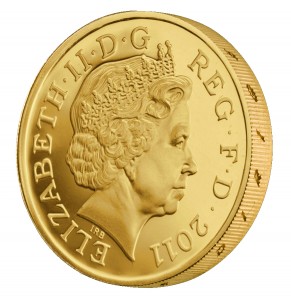

Launched at the height of the Conservative Government, the £1 coin was reportedly disliked by the late Prime Minister Margaret Thatcher, however, its popularity, and distinctive design led to its forerunner, the £1 note, eventually being withdrawn from circulation in 1988.

The buying power of the little guy has gone down considerably over the last 30 years but it’s still pretty special to many of us, right?

In 1983, chocoholics could buy  5.9 Mars bars for £1 compared to just 1.7 now. Probably a good thing?

For football fans in 1983, £1 would let you watch 34 minutes of a Manchester United match, while you wouldn’t even manage to watch injury time at Old Trafford, with £1 today buying just three minutes of action.

And music fans have suffered too: Fans of Glastonbury would be able to see over 6 hours of entertainment for £1 in 1983, compared to just under an hour now.

The average family’s shopping basket has increased in price too, with a loaf of bread increasing over 300 per cent, milk increasing over 250 per cent and the cost of eggs having surged by more than 400 per cent.

The reason for the decrease in the value of a pound coin is inflation, and that’s why you need to be investing your magical pennies to keep up!

Happy Birthday £1 Coin!


Source

But Are Coins As Special Anymore?

In a recent study over half of Brits now prefer to use plastic for the majority of their purchases.

Cash still remains king for small ticket items such as newspapers and magazines, over half of Brits (53%) prefer to use plastic for most of their purchases.

The survey commissioned by Gocompare.com found that 34% of people try to pay with cash whenever possible and 48% said that they didn’t like being without any cash, with this figure rising to 57% for people aged 55 and over.

 As a result, cash is the main method of payment for purchases under a fiver, with 92% of those surveyed saying that they would use cash.

However, for items costing between £5 and £20, just over half (52%) said that they would pay by cash while a third would use their debit card, and 13% would pay by credit card.  With two in five people saying they don’t like to carry a lot of cash around, plastic dominates purchases over £20:

Value of goods

Payment method (%)

£20.01 to £30 debit card (51), cash (28), credit card (20)
£30.01 to £50 debit card (54), credit card (23), cash (21)
£50.01 to £100 debit card (54), credit card (30), cash (13)

The survey found that cash was the preferred method of payment for newspapers (84%), magazines (80%), a round of drinks (78%), a takeout (71%) and when paying tradesmen (56%).

John Miles from Gocompare.com, commented: “Over the thirty years since the pound coin came into circulation, the way we pay for goods and services has changed dramatically with the development of debit cards, chip and pin, electronic and other contactless payment systems.  Despite this, our practical as well as emotional attachment to cash remains strong, particularly for older people, so it looks like the pound coin is going to be around for a good while yet.”

Do you still love coins? Or do you prefer the convenience of plastic?

{ 0 comments }

Business Liability Insurance

by Magical Penny on April 12, 2013


cautionRunning a business can be hard work. Whether you’re the owner or the manager you have staff to think about, suppliers to contend with, rules, regulations and red tape – and that’s all before you’ve seen a client or a customer. The last thing you’ve time to think about is your business liability insurance.

And yet being in business – especially in our increasingly litigious climate – is all about being liable. You have responsibilities to the staff you employ, the customers that visit you or buy from you; you need to protect your stock, your cash and the building you trade from. But on top of that your business liability insurance costs money – money which you’d happily not spend in the current climate!

Just like it’s recommended that you get an accountant  (find accountants in Manchester here for example), to ensure everything financial is above board, protecting your business against liabilities is also recommended – because without protection, you might find yourself calling the receivers instead of opening for business. Supposing your stock was destroyed in a fire? Your premises were affected by a flood? Supposing a customer fell over a poorly-placed cable, or a member of staff fell down some poorly-lit stairs?

In every case, the business faces a potentially devastating loss or a hefty bill for compensation. All scenarios which could see the business closing down can be protected against with properly arranged business liability insurance.

But in the current economic climate too many business owners either don’t want to keep their policy up to date, or they’re simply too busy.

Maybe the solution is to hand the problem over to an expert company who have a specialist department dealing with nothing but business liability. They’ll make sure that you have exactly the cover you need at the most competitive premium.



And you can rest assured that a specialist insurance department will have dealt with plenty of other businesses like yours – so they’ll know the areas where claims are likely to arise and they’ll be able to make sure that you are properly protected.

That way, if the worst happens, it will only be an interruption to your business – not the end of it.

{ 0 comments }

How to Pay off Debt

by Magical Penny on April 12, 2013

How to pay off debtFocus.

Mastering financial focus is really important if you are to be prepared to grow your savings and begin investing for your future.

You already know that you do your best work when you take the time and focus. With focus you can achieve great things. But focusing is hard.

One minute you could be reading about the power of focus then…something else comes up. But focus is important when it comes to paying off debt and growing your pennies. I won’t need to tell you that there are lots of distractions that can part you from your pennies and there’s also lots of different priorities that can make reaching any financial goal difficult.

Here are some techniques and strategies to help you remain focused on your financial goals:


Short Term: Paying off debt and building some savings

Paying off debt is the first thing you need to do if you’re to grow your pennies. Why? Because, simply, it’s so expensive! Paying off debt could include credit cards, car debt and other small loans you may have (although not Student loans at this stage). If you’re going to be successful at focusing on paying down your debt there are 3 strategies that could help you maintain focus on your debt management plan.


Technique 1: The Debt Snowball

Popularised by Dave Ramsey this strategy to remain focused involves writing all your debts down in order from smallest debt to largest debt:

Debt example:

£100                Dentist                           5%  interest

£500                A friend                         0%  interest

£2500              Credit cards                27% interest

£12000            Car loan                       7% interest

Whilst making minimum payments on all of the debts, if you’re following the Debt Snowball plan, you begin putting any extra money you make available in your budget towards the smallest debt. By focusing on the smallest loan you can quickly get the first two in the list paid off. Once this is done you’ve now cut your list of debt in half and can ‘snowball’ that extra money that you had been paying on those debts into attacking debt #3, the credit card. This method helps you stay focused because you begin seeing progress straight away and once the little debts have been paid you quickly have more money available to begin paying off the bigger debts. By the time you get to the last debt the debt snowball is in full effect, feeding off your previous successes.

The Debt Snowball is certainly a powerful tool to help give you focus because it’s a plan that gives you quick results.

Technique II The Debt Avalanche

Did you notice that in the Debt snowball method the interest rate wasn’t considered? This is because the Debt snowball focuses on debt balance  for the ‘quick win’ of paying off small debt. Quick wins are a great way to help maintain focus.

In contrast, the Debt Avalanche (I love these names!) is based solely on the interest rate, and nothing else. Using this method you can take the same debts and order them in interest rate order: the price you are paying to carry the debt:

Debt example:

£2500              Credit cards                27% interest

£12000            Car loan                       7% interest

£100                Dentist                           5%  interest

£500                Friend                          0%  interest

Credit cards are often the most costly form of debt and in this example it’s 27% interest rate is a costly expense. After paying the minimum monthly payments on all the debts, the Debt Avalanche method demands that you concentrate on paying off the highest interest rate debt, the credit card in this example, first. Once complete you would then move onto the car. Those other ‘cheaper’ debts will have to wait.

Despite being the optimum method of paying off debt from a cost perspective, the Debt Avalanche can be the hardest strategy to remain focused on –sooner or later you are going to tire of throwing your money at the debt every month without seeing any meaningful progress. Reducing a £1000 debt to £900 does not have the same phycohlogical boosting effect that paying off a £100 debt does. On larger debts such as a  large credit card balance or a car the size alone can make paying it off a very unappealing idea.

However Flexo @Consumerism Commentary gives a great suggestion in cases like this: rather than focussing on the number of debts paid off, focus on key milestones: the first £500 paid off, the first £1000 for example. Keep focused by keeping your goals short-term –and celebrate when you reach them! You may still be in debt but if you’ve paid off your first £1000 you’ve made excellent progress on your path towards growing your pennies. It might seem contradictory to celebrate (and spend a little) when you are still in debt but you should recognise the psychology of the process to help you stay focussed.

Technique III -the Debt Tsunami

So to recap, the Debt snowball orders debts in balance size order for those ‘quick wins’ quickly reduce your list of accounts and simplifying your financial life; the Debt Avalanche optimises the cost of the debt by making you prioritise high-cost debt first before moving onto others. So far, so good. But I’ve recently become aware of another technique for staying focused when paying off your debt that I’d love to share with you:

The Debt Tsunami (coined by Adam Baker) works in the same way as the Debt Avalanche but includes a great tweak: Consider both the interest rate and it’s emotional impact:

Debt example:

£500                Friend                          0%  interest                   BIGGEST Impact

£2500             Credit cards                27% interest                Impact

£100                Dentist                          5%  interest                  A little impact

£12000            Car loan                      7% interest                  No  impact


In this example, owing money to a friend is having a big impact-it has changed the dynamic of the relationship. This is hardly surprising: although borrowing from family and friends may seem the ‘easy’ way to get money if you need it, it’s not generally a good idea. The Debt Tsunami takes this into account, pushing the ‘cheap’ loan above the credit card debt in the priority list. The dentist loan also has a bit of emotional impact: perhaps in this example you don’t want to be asked about the loan when you go for your next check-up. You therefore move it up ahead of the car loan, despite the lower, and therefore cheaper, interest rate.

By working on the debt that makes you feel the worst emotionally you harness those negative feelings to give your debt reduction plans an incredible amount of focus. This focus will eventually take you out of debt and prepare you to begin seriously growing your pennies.

Now that’s a great thing to focus on!

What techniques have you found useful when paying off your debt?

{ 9 comments }

Urban Mining – Are you throwing away gold?

by Magical Penny on April 11, 2013

You may not have given it any thought, but when you throw away your old electronics, you could be throwing away GOLD!
Millions of pounds worth of gold and silver are sitting in landfills around the world in the form of precious metals hidden away in the components that make up our outdated electronics.
  • $21 billion worth of gold and silver are used to make electronics every year.
  • Precious metals recovered from electronic waste waste can be 50x richer than ores mined from the ground.
  • Up to to 50 million tons of electronic waste are estimated to be scrapped every year worldwide.


It’s an interesting story, although it might not be worth the time and effort on a personal level…but collectively, it’s a different story!
There’s wealth all around us.

{ 0 comments }

Annuities Explained

by Magical Penny on April 11, 2013

Annuities can be a complicated, but, in short, they are a way to turn a lump sum into a regular monthly income. They are  insurance products and are most commonly used to make sure you don’t run out of money when you stop working.

If you are nearing retirement you have some options to consider:


You don’t have to convert your pension pot into an annuity when you stop working

If you have other savings outside of your pension, such as a Stocks and Shares ISA or Brokerage account, you could live off that money and let your pension pot continue to grow. It can be worth delaying using your  your pension pot, especially if you retire early. The older you are when you take out an annunity, the more income you will receive per year, typically.


In fact, you don’t have to convert to an annuity at all, thanks to new rules by the UK Treasury

Before 2011 you would have been forced to convert your pension pot into an annuity at age 75. But now, instead you can consider ‘income drawdown’, which allows yearly withdrawals between £0 and 100% of the basis amount of the pension fund, (the % allowed per year depends on your age). This option allows you to keep your money invested in the markets for potential further growth, rather than being forced to buy an annuity at a certain time (which locks in your level of income). The capped drawdown limit is reviewed every 3 years before age 75 and every year thereafter.

And if you can verify that you have a guaranteed lifetime income of £20,000 per year,  there is also an new flexible drawdown option which will allow withdrawals above the capped drawdown limit.

Sources of income which count towards the guaranteed lifetime income required are state pensions, defined benefit pension schemes, scheme pensions and lifetime annuities.


When you get an annuity, you can take a tax-free cash lump sum

You can take up to 25% lump sum of your total pension fund when you purchase an annuity. This can be good because that lump-sum money has never been taxed and never will be. It wasn’t taxed when you put it into the pension, and it doesn’t get taxed when you take it out.

That’s a rare deal!

But it’s important to note that taking out a lump sum reduces the amount your annual income will be because it reduces the pension pot value which is is buying the annuity.


Factors that affect the level of income an annuity will provide:

  • The size of your pension fund (and if you have reduced it with a tax-free lump sum)
  • Age: the older you are, the more income you will receive from your annuity.
  • Health and lifestyle:  You may be entitled to enhanced annuities. As an annuity is a form of insurance,anything that will increase the odds that you dying early ‘enhances’ what your annuity pays. Examples include diabetes, smoking habit, and a Body Mass Index of 36 or more.


The most important things to know:

Once you’ve signed an annuity contract, you can’t change your mind, but before you have signed you can shop around for the best rates – you are not limited to the annuity option presented to you by your pension provider. It’s also worth noting that using your pension pot for an annunity means you won’t be able to pass it on to your heirs – the capital is gone forever.  If you wish to leave an inheritance it’s worth keeping some of your savings outside of an annuity.

The annunity provider is making a bet that you’ll not live long enough to receive all your money back, otherwise they would not be able to afford to keep providing an income for those who live a long life and receive more than they put in.

{ 1 comment }