 It’s never too early to start planning for retirement. In fact, the earlier you start, the more likely you are to have a comfortable retirement lifestyle. If you’re just starting out in your career, here are some tips on how to get started saving for retirement.
Invest In Yourself.
The best way to prepare for retirement is to invest in your own future. That means contributing to a self-invested personal pension or SIPP. If your employer offers matching contributions, be sure to take advantage of that benefit. You should also start saving money on your own. A good rule of thumb is to save at least 15% of your income each year. If you can’t afford to save that much right now, don’t worry. Just start with what you can and increase your savings over time.
 Live Below Your Means.
One of the best things you can do for your future is to live below your means now. That way, you’ll have more money to save and invest for retirement. Avoid lifestyle inflation by only spending money on what you truly need. For example, don’t immediately start spending more when you get a raise at work. Instead, put that extra money into savings or investments. In addition, try to pay off any debt you have as soon as possible. This will free up more money to save for retirement.
Consult A Pension Adviser.
If you’re lucky enough to have a pension plan at work, be sure to consult with a pension adviser. A pension adviser will provide you with valuable pension advice and help you make the most of your pension benefits. A pension adviser will also be able to help you plan for retirement by providing you with information on how to best use your pension benefits. Additionally, they can help you understand the tax implications of your retirement savings and how to minimize your taxes.
If you’re in the UK, you can even message me (adam AT magicalpenny DOT com) because I am a financial planner working in a FCA regulated firm!
Make A Retirement Budget.
One of the best ways to prepare for retirement is to create a retirement budget. Start by estimating your expenses in retirement and then compare that to your expected income. If you have a shortfall, you’ll need to either reduce your expenses or increase your income. There are several ways to do this, such as working part-time in retirement or downsizing your home. Once you understand your finances, you can start making a plan to achieve your retirement goals.
Invest In Assets That Generate Income.
Another way to prepare for retirement is to invest in assets that generate an income. This can include things like rental property, stocks, and bonds. These investments can provide you with a source of income in retirement, which can help cover your living expenses. These investments can also appreciate over time, providing you with additional funds for retirement. In addition, these investments can provide you with tax-advantaged income, which can help reduce your taxes in retirement.
There are several things you can do to prepare for retirement. The most important thing is to start early and invest in your own future. By taking these steps, you’ll be on the path to a comfortable retirement lifestyle.
{ 0 comments }
 Renovating your home is a great way to add value to your property, or simply upgrade your current living space. Your home is where you spend a lot of your time, and is supposed to feel like a sanctuary, a space where you can escape from the hustle and bustle of life. Renovating your home provides you with the opportunity to personalise the living space. If you are thinking of selling your property, renovation projects can make it much more attractive to buyers.
 Install a new kitchen
 The
The  You might have a few places on your list that you want to visit, and that can make saving seem like a big challenge. But if you break them down a little bit – and see which trip will mean the most to you, you can create a shorter list and begin to plan how to save.
  Extra
Extra Budgeting
  We’ve all seen them. The old, dilapidated homes dot the neighbourhoods in our towns and cities. But unfortunately, they often sit empty, slowly deteriorating until they are eventually demolished. Or, even worse, they are turned into low-income housing developments that further drag down the value of the neighbourhood. But what if there was a way to save these homes? To give them a new life as beautiful pieces of modern architecture? This blog post will explore three ways to do just that!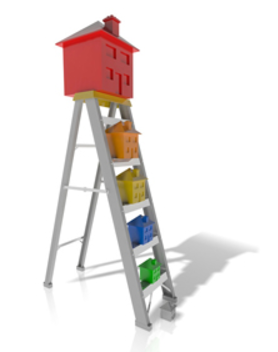
 Adopt lean construction practices
 Buying a home is a major investment. It can be a significant financial commitment that requires careful planning and money management. However, it doesn’t have to be this way. If you have a decent down payment, you can buy a home even if you are just a first-time homebuyer. In fact, with a bit of planning and knowledge, you can save money and make a sound investment by buying a home for the first time. Here are some helpful tips for first-time homebuyers:
 2. Find out how much mortgage you can borrow
 4. Find a conveyancer or property solicitor
 You should also take the time to walk through the property and get a feel for the layout and the quality of construction. While you may not be able to tell much from a computer screen, you can usually tell whether a home feels cosy, spacious, and well-built when you walk through it.
  Do you struggle to keep up with your finances? Are you constantly wondering where all your money goes? Do you feel like you’re barely getting by every month? Perhaps you’re just tired of not having any extra cash to spare. There’s no magic formula to help you save money, but thankfully, it all comes down to some simple habits that you can create and adopt!
 Set Up a Savings Account
 When it comes to planning for your financial future, there are a lot of things to think about. How much money do you want to save? What kind of retirement do you want to have? These are important questions that everyone should be asking themselves. This blog post will discuss some tips on how to plan for your financial future. We’ll cover everything from saving for retirement to building an emergency fund. So whether you’re just starting out in your career or you’re nearing retirement age, this blog post is for you!
 #2 Make a plan
 Along with unexpected tests and assignments, college can be a stressful experience. Unfortunately, in addition to all these tasks, students are also concerned about